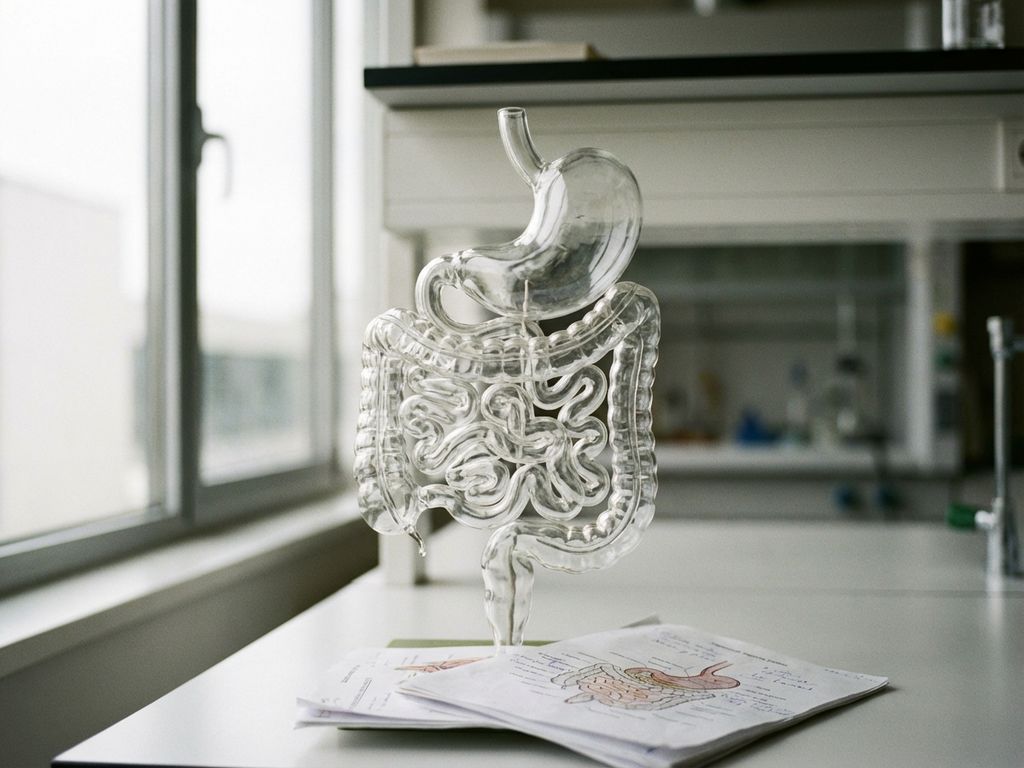
Gut models are laboratory systems that simulate human gastrointestinal processes, bridging the gap between basic research and clinical trials. These sophisticated tools replicate digestion, fermentation, and microbiome interactions under controlled conditions, providing researchers with rapid, cost-effective alternatives to traditional clinical studies while generating mechanistic data essential for regulatory submissions.
What are gut models and why do researchers use them?
Gut models are laboratory systems designed to simulate human gastrointestinal processes outside the body. They serve as crucial bridges between basic research and clinical trials by replicating the complex interactions that occur within our digestive system.
These models come in several forms, each with specific applications. In vitro models use artificial conditions to study isolated processes, while ex vivo models maintain living tissue or microbiome samples in controlled environments. Computational models use mathematical algorithms to predict outcomes based on existing data.
The primary advantage lies in their ability to replicate digestion, fermentation, and microbiome interactions under controlled conditions. Researchers can manipulate variables precisely, test multiple conditions simultaneously, and observe outcomes without the ethical considerations and costs associated with human trials. This controlled environment allows for detailed mechanistic studies that would be impossible in living subjects.
Modern scientific publications demonstrate how these models can predict clinical outcomes by capturing the immediate microbial responses that drive long-term health benefits, making them invaluable tools for product development across the food, pharmaceutical, and biotechnology sectors.
How do gut models accelerate product development timelines?
Gut models dramatically reduce development cycles from months to days or weeks by providing rapid insights that traditionally required lengthy clinical studies. This acceleration stems from their ability to capture immediate microbial responses within 24–48 hours, representing the foundational events that drive long-term clinical outcomes.
Early-stage screening capabilities allow researchers to test multiple formulations, doses, and ingredient combinations simultaneously. Rather than conducting sequential clinical trials for each variation, companies can identify promising candidates quickly and eliminate ineffective options before investing in expensive human studies.
Dose–response testing becomes particularly efficient with gut models. Researchers can evaluate multiple concentration levels across diverse population groups in parallel, generating comprehensive data sets that inform optimal dosing strategies. This approach helps identify the minimum effective dose while avoiding potential tolerance issues.
Mechanism of action studies provide crucial insights that help researchers understand not just whether a product works, but how it works. This mechanistic understanding enables more targeted product development and helps predict potential interactions or side effects before clinical testing begins.
What cost advantages do gut models offer over traditional research methods?
Ex vivo gut models typically cost 60–80% less than animal studies while eliminating the need for expensive participant recruitment and lengthy clinical trial protocols. This substantial cost reduction makes comprehensive preclinical testing accessible to companies of all sizes.
The economic benefits extend beyond direct testing costs. Animal studies require specialised facilities, veterinary oversight, and complex regulatory approvals. Clinical trials demand extensive participant screening, monitoring, and compliance tracking. Gut models eliminate these overhead expenses while providing comparable or superior predictive value.
Risk reduction represents another significant cost advantage. By identifying ineffective formulations or potential safety concerns early in development, gut models prevent costly late-stage failures. Companies can make informed decisions about clinical trial design, reducing the likelihood of expensive protocol amendments or study failures.
Resource optimisation becomes particularly valuable for small to medium-sized enterprises. Rather than committing substantial budgets to single clinical trials, companies can conduct multiple gut model studies to refine their products systematically. This approach maximises learning while minimising financial exposure, enabling more strategic allocation of development resources.
How do gut models improve regulatory submission success rates?
Validated gut models provide the mechanistic data that regulatory agencies increasingly require for novel foods, probiotics, and pharmaceuticals. Agencies like EFSA, the FDA, and Health Canada now demand robust evidence explaining how products work, not just clinical proof that they work.
These models generate comprehensive evidence for mode-of-action studies, demonstrating the specific pathways through which products influence gut microbiome composition and metabolic activity. This mechanistic understanding strengthens regulatory dossiers by providing the scientific rationale that reviewers expect to see.
Safety profiles benefit significantly from gut model data. By testing products across diverse population groups and simulating various physiological conditions, researchers can identify potential safety concerns and demonstrate product tolerance before human exposure. This proactive approach addresses regulatory questions before they arise.
Dose–response relationships become clearly established through systematic testing across concentration ranges. Regulatory agencies require evidence of optimal dosing, and gut models provide these data efficiently while demonstrating the scientific basis for recommended usage levels.
The predictive validity of modern gut models means that regulatory agencies increasingly accept these data as supporting evidence. When combined with appropriate clinical studies, gut model data create compelling regulatory packages that demonstrate both efficacy and safety through multiple lines of evidence.
What types of research questions can gut models answer effectively?
Gut models excel at answering specific mechanistic questions across diverse research applications. Prebiotic efficacy testing reveals how specific ingredients influence beneficial bacterial populations and metabolite production, while probiotic survival studies demonstrate colonisation potential and competitive advantages.
Drug metabolism research benefits enormously from gut model applications. These systems can evaluate how gut bacteria influence pharmaceutical compound bioavailability, identify potential drug–microbiome interactions, and predict individual variability in therapeutic responses.
Personalised nutrition investigations represent a growing application area. By testing products across microbiome samples from different demographic groups, disease states, and genetic backgrounds, researchers can identify responder populations and develop targeted nutritional interventions.
Population-specific studies become particularly valuable for regulatory submissions. Gut models can simulate microbiome responses in infants, elderly individuals, or patients with specific conditions like inflammatory bowel disease. This capability addresses regulatory requirements for safety and efficacy data across target populations.
Individual variability assessment helps researchers understand why some people respond to interventions while others do not. This insight enables the development of companion diagnostics and personalised treatment protocols that improve clinical outcomes.
How Cryptobiotix helps with gut model research
Cryptobiotix provides comprehensive gut model research through our proprietary SIFR® technology platform, which addresses the key limitations of traditional preclinical models. Our ex vivo approach maintains the original microbiome composition throughout fermentation, ensuring clinically predictive results within 24–48 hours.
Our services deliver multiple advantages for product development:
- Validated predictivity – SIFR® technology has been extensively validated to predict clinical outcomes for microbial composition, metabolomics, and tolerability
- Rapid turnaround times – Generate comprehensive data within days rather than months
- Regulatory-grade data – Mechanistic evidence suitable for EFSA, FDA, and Health Canada submissions
- High-throughput capabilities – Process over 1,000 bioreactors per week with automated systems
- Biobanking solutions – Access pre-qualified microbiome samples from diverse populations instantly
- Multi-omics analysis – Comprehensive taxonomy, metabolomics, and host–microbiome interaction studies
Whether you are developing novel foods, probiotics, or pharmaceutical compounds, our team provides the mechanistic insights needed to accelerate development and strengthen regulatory dossiers. Explore our applications to discover how SIFR® technology can support your specific research needs, or contact us for a consultation on your next preclinical study.
Frequently Asked Questions
How do I determine if gut models are suitable for my specific product or research question?
Gut models are ideal for products that interact with the gut microbiome, including probiotics, prebiotics, functional foods, pharmaceuticals, and nutraceuticals. They're particularly valuable when you need mechanistic data for regulatory submissions, want to test multiple formulations quickly, or need to understand dose-response relationships. If your product's primary mechanism involves gut microbiome modulation or you're developing for populations where clinical trials are challenging, gut models offer excellent predictive value.
What's the typical timeline from study initiation to receiving results with gut models?
Most gut model studies deliver initial results within 1-2 weeks, with comprehensive reports including multi-omics analysis typically completed within 3-4 weeks. This includes sample processing, fermentation runs (24-48 hours), analytical testing, and data interpretation. The exact timeline depends on study complexity, number of test conditions, and specific analytical requirements, but it's dramatically faster than the 6-12 months required for comparable clinical studies.
How many samples or replicates do I need for statistically robust gut model data?
For regulatory-grade data, we typically recommend testing across 6-12 individual microbiome donors per target population, with technical replicates for each condition. This provides sufficient statistical power while accounting for inter-individual microbiome variability. The exact number depends on your study objectives, target populations, and regulatory requirements, but this approach ensures robust, defensible results for most applications.
Can gut models predict clinical outcomes for populations not typically included in traditional studies?
Yes, this is one of the key advantages of gut models. They can simulate responses in elderly populations, infants, patients with specific diseases, or individuals from different geographic regions by using pre-qualified microbiome samples from these groups. This capability is particularly valuable for regulatory submissions requiring safety and efficacy data across diverse populations where clinical trials might be ethically challenging or logistically complex.
What types of analytical data can I expect from a gut model study?
Comprehensive gut model studies typically provide microbial taxonomy analysis (showing changes in bacterial populations), metabolomics data (including short-chain fatty acids and other bioactive compounds), pH measurements, and gas production profiles. Advanced studies can include host-microbiome interaction markers, inflammatory response indicators, and specific pathway analysis. The data package is designed to support both product development decisions and regulatory submissions.
How do I transition from gut model results to clinical trial design?
Gut model data provides crucial insights for optimizing clinical trial protocols, including optimal dosing, target populations, and relevant biomarkers to measure. Use the mechanistic data to select appropriate clinical endpoints, the dose-response information to determine study doses, and population-specific results to identify ideal participant criteria. This approach significantly increases clinical trial success rates while reducing costs and timelines.
What are the main limitations I should consider when interpreting gut model results?
While gut models excel at predicting microbiome-related outcomes, they don't capture systemic immune responses, long-term adaptation effects, or complex host-microbiome-environment interactions that occur over months. They're best used as predictive tools for immediate microbial responses and mechanistic understanding, rather than replacements for clinical validation. Always consider gut model data as part of a comprehensive development strategy that includes appropriate clinical testing.