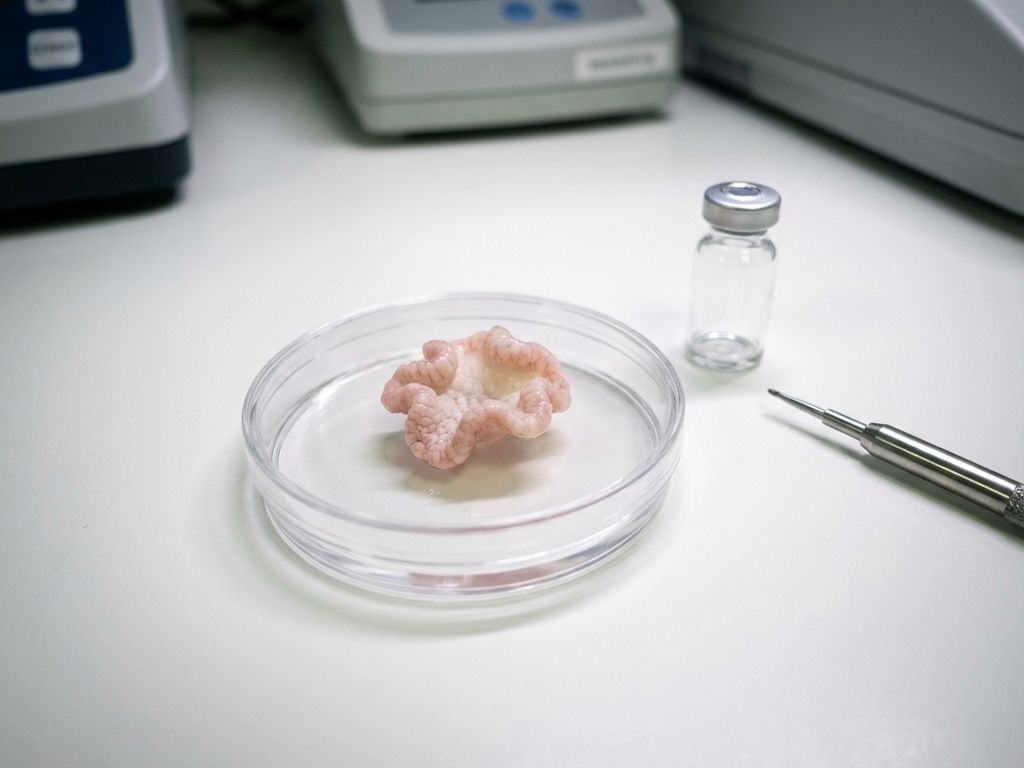
Gut models are advanced ex vivo and in vitro systems that simulate human gastrointestinal processes, offering validated alternatives to animal testing. These technologies replicate digestion, microbiome interactions, and host responses without requiring live animal subjects. Modern gut simulation platforms provide regulatory-grade data for safety assessments, efficacy studies, and mechanistic investigations across pharmaceutical, biotechnology, and functional food development.
What are gut models and how do they replace animal testing?
Gut models are sophisticated laboratory systems that simulate human gastrointestinal processes outside the body, eliminating the need for animal subjects. These ex vivo technologies maintain human microbiome samples under controlled conditions that replicate the gut environment, including appropriate pH levels, oxygen conditions, and nutrient availability.
The scientific principles behind these systems focus on preserving the original microbial composition from sample collection through fermentation. Unlike animal models, which have different taxonomic and functional compositions, digestive physiology, gut transit times, and bile acid profiles compared to humans, gut models use actual human microbiome samples to ensure direct relevance to human outcomes.
These platforms can simulate diverse populations, including infants, adults, older individuals, and various disease states. The technology maintains individual donor characteristics while providing the controlled environment necessary for reproducible research outcomes that translate effectively to clinical applications.
Why are regulatory agencies accepting gut models as alternatives to animal studies?
Regulatory agencies increasingly accept validated gut models because they align with the 3Rs principle (Replace, Reduce, Refine) and modern legislative frameworks. The FDA Modernization Act 2.0 and EU directives actively promote non-animal approaches for preclinical research.
Regulatory acceptance criteria focus on three core requirements: reproducibility, predictive validity, and scientific validity. Gut models meet these standards by demonstrating consistent results under identical conditions, showing direct correlation with human clinical trial outcomes through published validation studies, and maintaining physiological relevance throughout testing.
The strongest evidence for regulatory acceptance comes from scientific publications that demonstrate correlation between model results and clinical data. Agencies recognize that animal microbiomes have limited scientific rationale for human gut research due to fundamental physiological differences, making human-relevant ex vivo systems more appropriate for regulatory submissions.
What types of research can gut models perform instead of animal testing?
Gut models can perform comprehensive research applications, including safety testing, efficacy studies, dose–response analysis, and mechanistic investigations. These systems evaluate probiotics, prebiotics, functional foods, and pharmaceutical compounds with human-relevant microbiome diversity.
Safety assessments examine tolerability through gas production measurements, while efficacy studies investigate microbiome modulation, metabolite production, and beneficial bacterial stimulation. Mechanistic research explores how test substances interact with gut bacteria, produce short-chain fatty acids, and influence microbial community structure.
Advanced applications include host–microbiome interaction studies using human cell models to investigate gut barrier integrity, immune system responses, and satiety markers such as GLP-1 production. This integrated approach provides mechanistic insights into how substances affect host health through microbiome modulation, supporting regulatory dossiers with comprehensive mode-of-action evidence.
How accurate are gut models compared to traditional animal studies?
Validated gut models demonstrate superior predictive accuracy for human responses compared to animal studies. The strongest evidence comes from published validation studies showing direct correlation between model results and human clinical trial outcomes, something animal models struggle to achieve due to species translation barriers.
Animal microbiomes differ fundamentally from human microbiomes in taxonomic composition, functional capabilities, and metabolic processes. These differences, combined with varying gut transit times, pH levels, and bile acid compositions, lead to non-translatable results that poorly predict human responses.
Human-relevant gut models eliminate these translation issues by using actual human microbiome samples and maintaining physiological conditions that accurately represent real gut environments. This approach enables population-specific modelling, capturing inter-individual variability that animal studies cannot address, while providing mechanistic insights directly applicable to human health outcomes.
What are the practical benefits of using gut models over animal testing?
Gut models offer significant practical advantages, including accelerated timelines, cost-effectiveness, and enhanced throughput capabilities. Ex vivo testing costs 60–80% less than animal studies and delivers results within days rather than the weeks or months required for animal trials.
Timeline advantages include immediate study initiation without animal housing requirements, ethical approval delays, or complex animal welfare protocols. The technology enables simultaneous testing of multiple conditions, doses, and populations, dramatically increasing research efficiency while maintaining data quality.
Ethical benefits extend beyond animal welfare to improved public perception and alignment with modern regulatory frameworks. The flexibility in study design allows researchers to investigate specific mechanistic questions, population responses, and dose–response relationships with a level of precision impossible in animal studies, supporting more robust regulatory submissions and clinical trial preparation.
How Cryptobiotix helps reduce animal testing requirements
Cryptobiotix provides validated alternatives to animal studies through our proprietary SIFR® technology, which delivers regulatory-grade data for building compliant research dossiers. Our ex vivo gut simulation platform addresses the key limitations of animal testing while meeting regulatory standards for mechanistic evidence.
Our comprehensive services include:
- Validated ex vivo gut microbiome simulation with proven clinical predictivity
- High-throughput testing capabilities processing over 1,000 conditions per week
- Multi-omics analysis providing taxonomy, metabolomics, and host–microbiome interaction data
- Population-specific modelling across diverse cohorts and disease states
- Regulatory-focused reporting suitable for EFSA, FDA, and Health Canada submissions
We support companies in de-risking product development, securing intellectual property, and preparing for clinical trials with human-relevant data that eliminates the translation gaps inherent in animal testing. Contact our team to discuss how SIFR® technology can replace animal testing requirements in your research program while delivering superior predictive accuracy for human outcomes.
Frequently Asked Questions
How long does it take to get results from gut model testing compared to animal studies?
Gut model testing typically delivers results within 5-10 days, compared to 6-12 weeks for animal studies. This dramatic timeline reduction is possible because ex vivo systems don't require animal housing, acclimatization periods, or complex ethical approvals. You can initiate studies immediately and run multiple conditions simultaneously, making it ideal for iterative product development and rapid decision-making.
What documentation do I need to submit gut model data to regulatory agencies?
Regulatory submissions require validation documentation demonstrating the model's reproducibility, predictive validity, and scientific relevance to human physiology. This includes method validation reports, correlation studies with clinical data, quality control procedures, and detailed protocols. Most validated platforms like SIFR® provide regulatory-ready documentation packages that meet FDA, EFSA, and Health Canada requirements.
Can gut models test the same range of safety endpoints as animal studies?
Yes, validated gut models can assess key safety parameters including tolerability, dose-response relationships, and adverse effects through gas production monitoring and microbial community analysis. While they cannot replace all animal testing endpoints (like systemic toxicity), they excel at gut-specific safety assessments and often provide more human-relevant data for gastrointestinal tolerance and microbiome safety.
How do I choose between different gut model providers and technologies?
Evaluate providers based on validation data showing clinical correlation, regulatory acceptance track record, and technical capabilities like population diversity and throughput. Look for published peer-reviewed studies, established quality systems, and comprehensive service offerings including data analysis and regulatory support. The technology should match your specific research needs, whether that's probiotic efficacy, prebiotic testing, or pharmaceutical development.
What are the main limitations of gut models that I should be aware of?
Gut models excel at microbiome-focused research but have limitations in studying systemic effects, long-term chronic responses, and complex multi-organ interactions. They cannot fully replicate immune system complexity or hormonal responses that occur in living systems. However, for gut-specific research, microbiome modulation studies, and early-stage screening, they often provide more relevant human data than animal models.
How much does gut model testing cost compared to animal studies?
Gut model testing typically costs 60-80% less than equivalent animal studies, with basic screening studies starting around $5,000-15,000 compared to $50,000-100,000+ for animal trials. The cost savings come from eliminated animal housing, veterinary care, and extended study durations. Additionally, the ability to test multiple conditions simultaneously provides better cost-per-datapoint value.
Can I use gut model data to support patent applications and IP protection?
Absolutely. Gut model data provides robust mechanistic evidence for patent applications, often superior to animal data due to human relevance and detailed molecular insights. The technology generates comprehensive multi-omics data showing specific mechanisms of action, which strengthens IP claims. Many companies successfully use validated gut model data in patent filings, regulatory submissions, and competitive differentiation strategies.