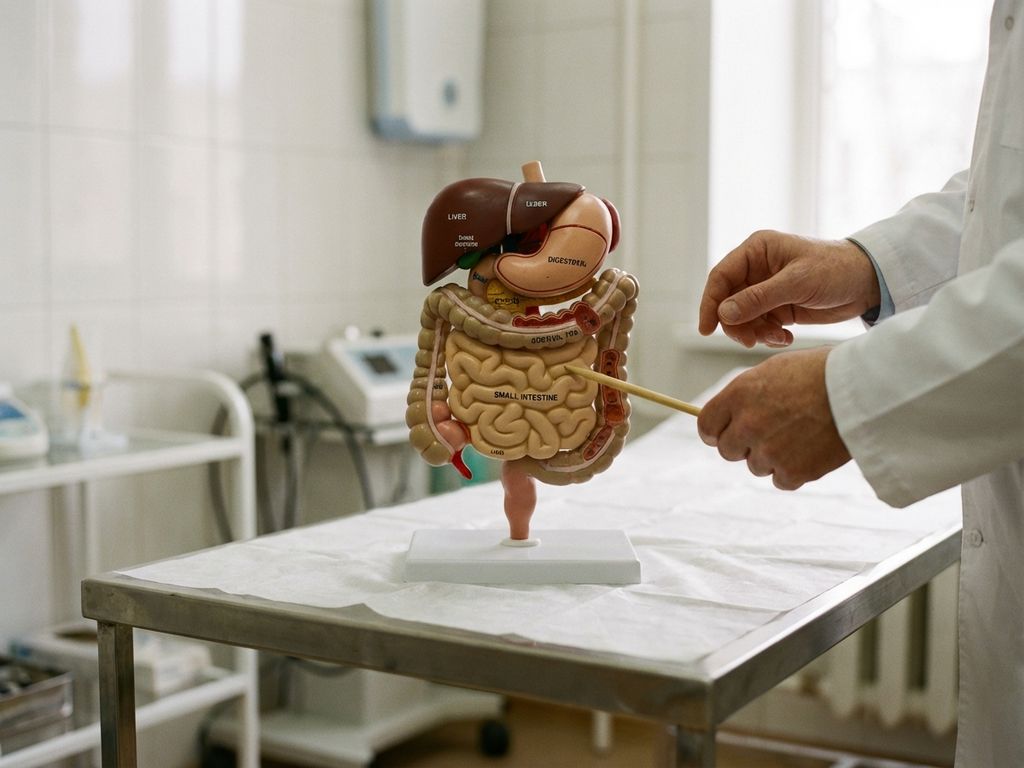
A gut model is a laboratory system that simulates human gastrointestinal tract conditions to study gut microbiome interactions, digestion processes, and product efficacy. Researchers use these systems to bridge the gap between basic research and clinical studies, providing mechanistic insights within days rather than weeks. This guide addresses key questions about implementing and optimizing gut model research for product development.
What is a gut model and why do researchers use them?
Gut models are laboratory systems that recreate the conditions of the human gastrointestinal tract to study how products interact with gut microbiomes. These systems simulate the complex environment where trillions of bacteria ferment nutrients, produce metabolites, and influence host health.
Researchers rely on gut models because they provide mechanistic evidence that traditional methods cannot deliver. Unlike animal studies, which suffer from fundamental physiological differences in gut transit times, pH levels, and bile acid profiles, gut models use actual human microbiota samples. This approach addresses the “Valley of Death” between preclinical research and clinical outcomes by generating predictive data within 24–48 hours.
The technology serves multiple critical functions in product development. Companies developing functional foods, probiotics, or therapeutic ingredients need robust evidence for patent protection, regulatory submissions, and clinical trial planning. Modern regulatory frameworks, including the FDA Modernization Act 2.0, actively promote these scientific approaches over animal testing methods.
What are the different types of gut models available?
Several categories of gut models exist, each with distinct capabilities and levels of complexity. Static batch fermentation systems represent the most straightforward approach, using closed vessels to simulate colonic fermentation over 24–48 hours with fresh human microbiota samples.
Continuous-flow models attempt to replicate the dynamic nature of gut transit through multiple connected chambers. However, these systems often suffer from in vitro bias, as they require microbiome adaptation over extended periods, resulting in microbial communities that differ significantly from the original donor samples.
Multi-compartment systems simulate different regions of the gastrointestinal tract simultaneously. While they appear comprehensive, their complexity introduces technical variability and higher costs without necessarily improving clinical predictivity.
Ex vivo technologies represent the most advanced approach, maintaining the original microbiome composition throughout fermentation. These systems preserve individual donor characteristics and provide the highest biorelevance for clinical translation. The key differentiator lies in their ability to demonstrate that both starting and endpoint microbiome compositions remain stable without product intervention.
How do you set up and run a gut model experiment?
Setting up a gut model experiment requires careful attention to sample preparation, environmental controls, and timing. The process begins with fresh faecal material collection, which serves as the gold standard for biorelevant research. Samples must be processed within hours of collection to maintain microbial viability and community structure.
Environmental parameters are critical for experimental success. Researchers must maintain strict anaerobic conditions, typically using specialized incubation systems with controlled gas atmospheres. Temperature control at 37°C mimics physiological conditions, while pH monitoring ensures the system remains within the normal colonic range of 6.5–7.0.
The inoculation process involves diluting fresh faecal samples in appropriate buffer solutions and introducing them to pre-warmed, anaerobic fermentation vessels. Feeding protocols vary depending on the test substance, with careful consideration of dose–response relationships and appropriate negative controls.
Sampling schedules typically span 24–48 hours, with multiple time points to capture dynamic changes in microbial composition and metabolite production. Successful experiments require a minimum of 6–8 different donors per cohort to assess inter-individual variability and identify responder versus non-responder patterns.
What can you measure and analyze in gut model studies?
Gut model studies provide comprehensive analytical endpoints that reveal how products influence microbiome function. Microbial community analysis through quantitative sequencing measures both relative and absolute abundances of bacterial species, providing insights into which microorganisms respond to treatment.
Metabolite profiling captures the functional output of microbial fermentation. Short-chain fatty acid production, particularly butyrate, propionate, and acetate, indicates beneficial metabolic activity. pH changes reflect overall fermentation activity, while gas production serves as a reliable proxy for product tolerability.
Advanced analytical methods include measuring total bacterial cell density through flow cytometry, which prevents misleading interpretations when treatments significantly alter overall microbial populations. This quantitative approach reveals whether apparent decreases in relative abundance actually represent stable or increased absolute numbers.
Biomarker assessment extends beyond basic fermentation parameters. Studies can evaluate lactate production, ethanol levels, and specific metabolites that correlate with clinical outcomes. When coupled with cell culture models, researchers can assess impacts on gut barrier integrity, immune responses, and satiety markers such as GLP-1 production.
How do you interpret gut model results for product development?
Interpreting gut model results requires understanding both statistical significance and biological relevance. Dose–response relationships provide crucial insights for product optimization, revealing minimum effective doses and potential tolerance thresholds through gas production monitoring.
Inter-individual variability assessment identifies responder and non-responder patterns within study cohorts. This information is invaluable for clinical trial design and personalized nutrition strategies. Products showing consistent effects across diverse donor profiles demonstrate greater commercial potential.
Translation to clinical relevance relies on validated correlations between model outputs and human trial outcomes. Immediate microbial modulation observed in gut models represents the foundational event that drives progressive health benefits seen in multi-week clinical studies. The technology captures the causal microbial response that initiates downstream host effects.
Results inform multiple aspects of product development, from intellectual property generation to regulatory dossier preparation. Mechanistic evidence supports health claims for regulatory submissions to agencies such as EFSA and FDA, while safety data addresses novel ingredient approval requirements.
How Cryptobiotix helps with gut model research
Cryptobiotix provides comprehensive gut model research through our validated SIFR® technology platform, which addresses the critical limitations of legacy preclinical models. Our ex vivo approach maintains original donor microbiome composition throughout fermentation, ensuring clinically predictive results within 24–48 hours.
Our services include:
- High-throughput screening for early product discovery and lead optimization
- Comprehensive mechanistic studies with multi-omics analysis for regulatory submissions
- Biobanking capabilities providing pre-qualified microbiome samples from diverse populations
- Regulatory-grade data generation supporting patent applications and clinical trial preparation
- Host–microbiome interaction modelling through integration with human cell culture systems
Whether you’re developing functional foods, probiotics, or therapeutic ingredients, our validated platform delivers the mechanistic evidence needed for successful product development. From early R&D screening to comprehensive characterization for regulatory dossiers, we provide the insights needed to accelerate and de-risk your innovation pipeline.
Contact our team to discuss how SIFR® technology can support your gut model research requirements and advance your product development goals.
Frequently Asked Questions
How long does it typically take to get results from a gut model study, and what's the turnaround time for different study types?
Basic screening studies using gut models typically deliver results within 1-2 weeks from sample collection, including 24-48 hours of fermentation and 3-5 days for analytical processing. Comprehensive mechanistic studies with multi-omics analysis require 3-4 weeks for complete data generation and interpretation. This represents a significant acceleration compared to clinical studies, which can take months to years to complete.
What are the most common mistakes researchers make when designing their first gut model experiment?
The most frequent errors include using insufficient donor numbers (less than 6-8 per cohort), testing unrealistic product concentrations that don't reflect physiological exposure, and failing to include appropriate negative controls. Many researchers also underestimate the importance of fresh sample processing timing and anaerobic conditions, which can compromise data quality and clinical relevance.
How do you determine the right product concentration to test in gut models?
Product concentration should be based on estimated colonic exposure after accounting for upper GI tract absorption and dilution. Start with concentrations representing 1x, 5x, and 10x expected physiological levels to establish dose-response relationships. For novel ingredients, include a range spanning 2-3 orders of magnitude, and always monitor gas production as an early indicator of tolerance thresholds.
Can gut model results predict clinical trial outcomes, and how reliable are these predictions?
Gut models show strong predictive value for clinical outcomes when properly validated, particularly for microbiome modulation and metabolite production endpoints. Studies demonstrate that immediate microbial responses observed in gut models correlate with progressive health benefits seen in 4-12 week clinical trials. However, predictions are most reliable for gut-related endpoints rather than systemic health markers that involve complex host-microbiome interactions.
What regulatory agencies accept gut model data, and how should it be presented in submissions?
FDA, EFSA, and Health Canada increasingly accept gut model data as supporting evidence for health claims and novel ingredient safety assessments, especially following FDA Modernization Act 2.0. Present data with clear methodology validation, appropriate statistical analysis of inter-individual variability, and explicit connections between mechanistic findings and claimed health benefits. Include quality controls demonstrating microbiome stability and analytical reproducibility.
How do you handle inter-individual variability in gut model studies, and when should you consider personalized approaches?
Address variability by recruiting donors with diverse demographics and dietary backgrounds, then analyze responder vs. non-responder patterns using statistical clustering methods. Consider personalized approaches when >30% of donors show no response or when specific microbiome signatures predict efficacy. This information is crucial for clinical trial stratification and developing companion diagnostic strategies for personalized nutrition products.
What's the difference between using fresh vs. frozen fecal samples, and when is each approach appropriate?
Fresh samples provide the highest biorelevance and are essential for regulatory-grade studies, but require processing within 2-4 hours of collection. Frozen samples offer logistical convenience and standardization but may show altered microbial viability and community structure. Use fresh samples for definitive efficacy studies and regulatory submissions, while frozen samples are acceptable for early screening and method development phases.