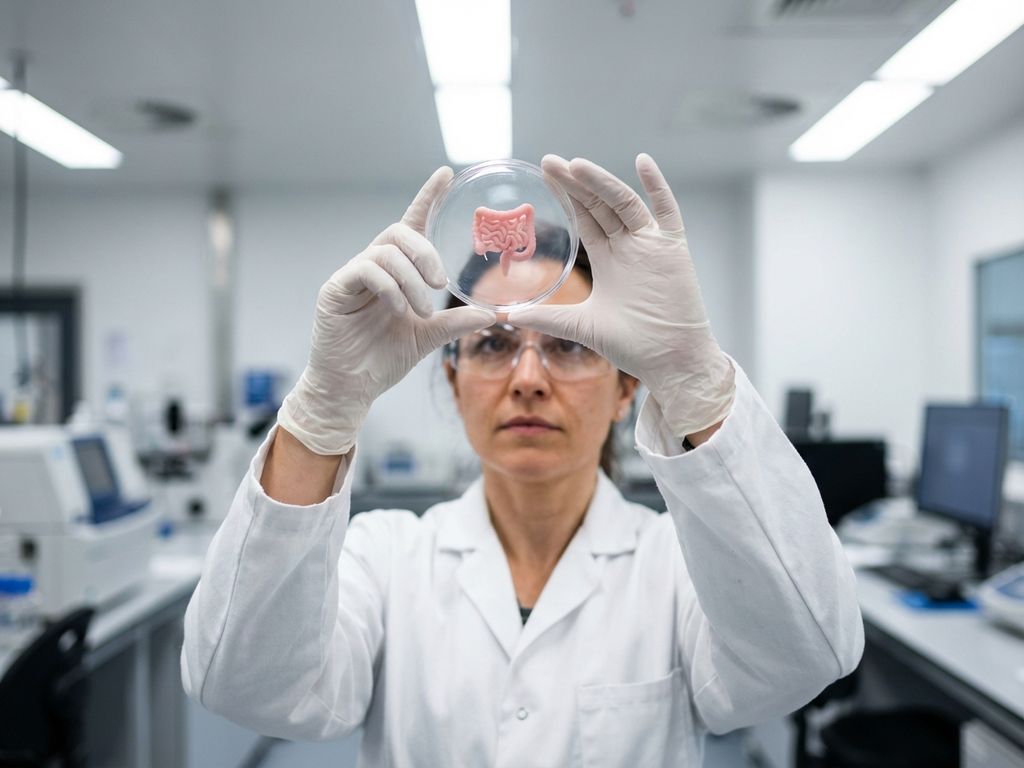
A typical gut model study duration varies from 1–2 days to several weeks, depending on the technology platform and research objectives. Traditional fermentation models require extended incubation periods of weeks or months, while modern ex vivo approaches can deliver validated results within days. The timeline depends on study complexity, sample size, regulatory requirements, and the specific endpoints being measured.
What factors determine how long a gut model study takes?
Several key variables influence gut model study duration, with study complexity and technology platform being the primary determinants. Research objectives significantly impact timeline planning, as mechanistic studies typically require less time than comprehensive regulatory submissions.
Study complexity encompasses the number of test conditions, dose–response evaluations, and analytical endpoints measured. Simple screening studies examining basic microbial composition changes can be completed more rapidly than comprehensive assessments requiring metabolomics analysis, host–microbiome interactions, and safety evaluations.
Sample size requirements directly affect study duration. Reliable statistical analysis requires a minimum of 6–8 different donors per cohort to capture interindividual variability and identify responder/non-responder profiles. Studies using fewer donors lack statistical power and may miss crucial insights for clinical translation.
Regulatory requirements add significant time when studies must meet specific data quality standards. Regulatory-grade research often requires additional validation steps, comprehensive documentation, and adherence to specific protocols that extend overall timelines but ensure data acceptability for submissions.
How do traditional gut model studies compare to modern ex vivo approaches?
Traditional approaches, including animal models and long-term fermentation systems, typically require weeks to months for completion, while validated ex vivo technologies can deliver predictive results within 1–2 days. This dramatic timeline reduction does not compromise data quality when proper validation has been established.
Animal models present substantial limitations beyond extended timelines. Animal microbiomes differ taxonomically and functionally from human microbiomes, with different gut transit times, pH levels, and bile acid compositions leading to non-translatable results. The FDA Modernization Act 2.0 and EU regulations actively promote non-animal approaches, making ex vivo alternatives increasingly important.
Traditional batch fermentation models suffer from implementation flaws despite sound underlying concepts. Many use ill-adapted media and poor practices, generating unreliable data in which fast-growing microorganisms dominate and important species are absent. These approaches often require weeks of incubation, creating pronounced selection bias.
Modern ex vivo approaches overcome these limitations through rigorous implementation of batch fermentation principles. They maintain the original donor microbiome composition throughout testing, providing biorelevant results that correlate with clinical outcomes while dramatically reducing study timelines.
What’s the typical timeline for different types of gut microbiome research?
Study timelines vary significantly based on research type and analytical depth. Mechanistic screening studies typically conclude within days to weeks, while comprehensive regulatory packages may require several months, including data analysis and reporting phases.
Mechanistic studies examining basic microbial composition changes and metabolite production can be completed rapidly, often within 1–2 days for fermentation plus additional time for sample analysis. These studies focus on understanding how interventions affect gut bacteria and their metabolic outputs.
Dose–response evaluations require testing multiple concentrations simultaneously, which can extend timelines depending on the number of conditions tested. However, modern high-throughput platforms can process over 1,000 conditions per week, enabling comprehensive dose–response characterization within reasonable timeframes.
Safety assessments and regulatory-grade research require the most comprehensive approach. These studies must include appropriate controls, sufficient donor numbers for statistical analysis, and detailed analytical endpoints. The fermentation phase may conclude quickly, but comprehensive analysis and regulatory-compliant reporting can extend total project timelines to several months.
Why do some gut model studies take weeks while others deliver results in days?
The fundamental difference lies in whether studies capture immediate microbiome modulation or attempt to simulate progressive health outcomes. Gut bacteria respond immediately to environmental changes, altering their growth rates and metabolic activity within hours of exposure.
Traditional long-term fermentation models operate under the misconception that complex microbial interactions require weeks to establish. This approach creates pronounced selection bias as adapted microbial communities develop that differ significantly from the original donor samples. The claim that 72 hours are needed to establish microbial complexity is a red flag indicating underlying in vitro bias.
Modern validated approaches recognize that microbiome modulation is an immediate effect observable within 24–48 hours. This immediate response is the causal event that initiates host responses, while health benefits accumulate over time with continued exposure. Capturing this initial microbial response provides the mechanistic foundation for understanding longer-term clinical outcomes.
The trade-off between speed and comprehensiveness is largely artificial when proper validation exists. Validated ex vivo systems demonstrate that rapid results can be both comprehensive and predictive of clinical outcomes, eliminating the need for extended fermentation periods that introduce bias rather than biological relevance.
How Cryptobiotix accelerates gut model study timelines
Cryptobiotix’s SIFR® technology delivers validated, clinically predictive results within 1–2 days compared to traditional approaches requiring weeks or months. Our ex vivo platform captures immediate microbiome modulation while maintaining the original donor microbiome composition throughout testing.
Our comprehensive approach includes:
- High-throughput automation: Processing over 1,000 bioreactors per week with enhanced technical reproducibility
- Biobanking solutions: Pre-qualified, characterized microbiome samples that bypass weeks of sourcing delays
- Validated methodology: Proven correlation with clinical outcomes for taxonomy, metabolomics, and tolerability endpoints
- Regulatory-grade reporting: Comprehensive data packages suitable for EFSA, FDA, and other regulatory submissions
- Multi-omics analysis: Proprietary pipeline providing mechanistic insights for IP generation and clinical trial de-risking
Whether you’re preparing regulatory dossiers, screening novel ingredients, or generating mechanistic evidence for patent protection, our accelerated timelines help you make critical decisions faster without compromising data quality. Contact us to discuss how SIFR® technology can streamline your gut microbiome research timelines while delivering the validated, predictive data you need for successful product development.
Frequently Asked Questions
How do I choose the right number of donors for my gut microbiome study?
For reliable statistical analysis, use a minimum of 6-8 different donors per cohort to capture interindividual variability and identify responder/non-responder profiles. Consider your study objectives: mechanistic screening may require fewer donors, while regulatory submissions typically need larger cohorts (12-16 donors) to meet statistical power requirements and regulatory expectations.
What's the difference between fermentation time and total study timeline?
Fermentation time refers to the actual incubation period (1-2 days for modern ex vivo approaches), while total study timeline includes sample preparation, analysis, data processing, and reporting. A 2-day fermentation study may take 2-4 weeks total when including comprehensive multi-omics analysis and regulatory-grade reporting.
Can I get preliminary results before the full study is complete?
Yes, with modern ex vivo platforms you can often receive preliminary microbial composition data within days of fermentation completion. However, comprehensive metabolomics analysis, statistical validation, and detailed mechanistic insights typically require additional processing time for the complete dataset.
How do I know if my study timeline is realistic for regulatory submission?
Regulatory-grade studies typically require 2-6 months total timeline, including fermentation, comprehensive analysis, and compliant reporting. Factor in additional time for potential regulatory feedback and revisions. Consult with regulatory experts early in planning to ensure your timeline aligns with submission requirements and agency expectations.
What are the most common mistakes that extend gut model study timelines?
The biggest delays come from inadequate planning: insufficient donor numbers requiring study restarts, unclear analytical endpoints leading to additional testing, and poor sample handling causing data quality issues. Using traditional long-term fermentation approaches when rapid ex vivo methods would suffice also unnecessarily extends timelines by weeks or months.
How can I accelerate my study without compromising data quality?
Choose validated ex vivo platforms over traditional fermentation models, use pre-qualified biobanked samples to eliminate sourcing delays, and clearly define analytical endpoints upfront. High-throughput automation and established analytical pipelines can process large sample sets rapidly while maintaining rigorous quality standards.
When should I consider traditional long-term fermentation versus rapid ex vivo approaches?
Use rapid ex vivo approaches for mechanistic studies, dose-response evaluations, and regulatory submissions where immediate microbiome modulation is the key endpoint. Reserve traditional long-term fermentation only for specific research questions requiring extended adaptation periods, though be aware these approaches often introduce selection bias that may compromise clinical relevance.