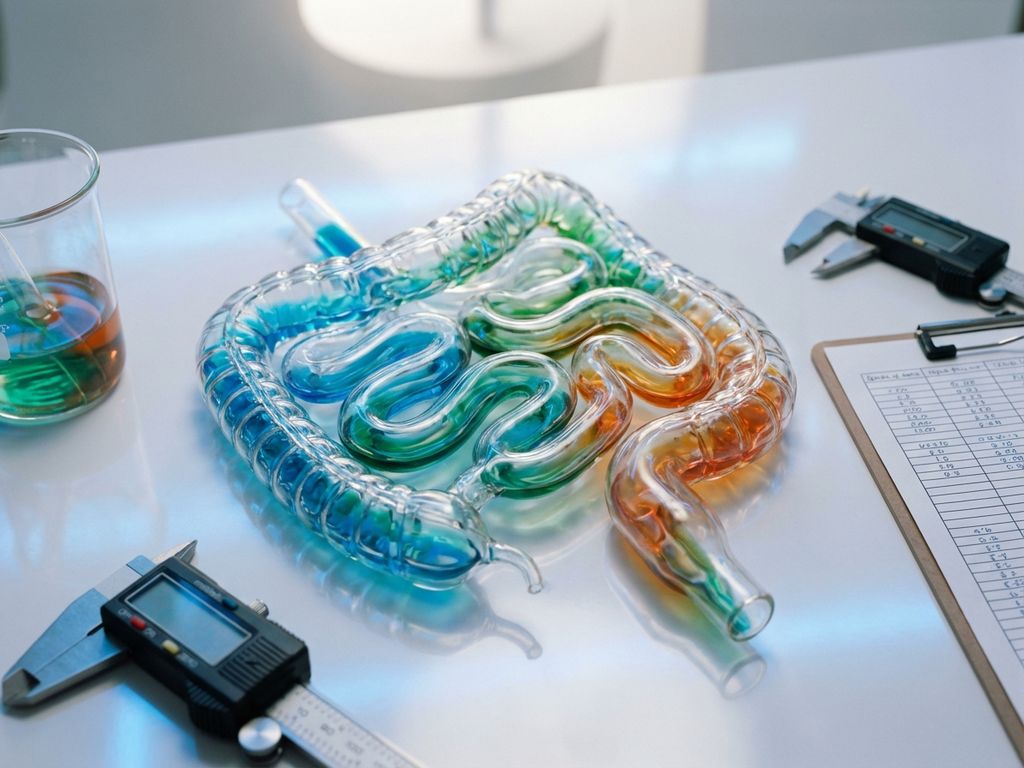
Gut models can predict drug absorption rates with varying degrees of accuracy depending on their design and validation. Advanced ex vivo gut simulation technologies demonstrate strong predictive capabilities for clinical outcomes, while simpler in vitro models may have limitations. These models replicate key physiological processes, including stomach acid exposure, bile salt interactions, and enzymatic breakdown, to forecast how drugs will behave in the human digestive system.
What are gut models and how do they simulate drug absorption?
Gut models are laboratory systems that replicate human gastrointestinal processes to predict how drugs will dissolve, transit, and be absorbed in the body. These technologies range from simple in vitro batch systems to sophisticated ex vivo platforms that maintain physiological conditions.
Ex vivo gut models preserve the original microbial composition and physiological environment, maintaining appropriate pH levels, oxygen conditions, and nutrient availability throughout testing. They simulate the complete digestive journey, from stomach acid exposure (pH 1.5–2.0) through bile salt interactions in the small intestine to colonic fermentation processes.
In vitro models use artificial conditions to approximate digestive processes, though they may not fully capture the complexity of human gut environments. Advanced systems can incorporate digestion protocols that simulate the upper gastrointestinal tract, including mouth, stomach, and small intestine conditions, ensuring compatibility with subsequent absorption predictions.
How accurate are gut models at predicting real-world drug absorption rates?
The accuracy of gut models depends heavily on their validation against clinical data and their ability to maintain physiological relevance. Well-validated ex vivo models demonstrate strong correlation with human clinical trial outcomes, while less sophisticated systems may show significant gaps.
Validation studies examine the direct correlation between model predictions and actual human responses. The strongest evidence comes from published research demonstrating that laboratory results within 24–48 hours accurately predict clinical outcomes for drug absorption, metabolism, and tolerability parameters.
Several factors influence accuracy, including inter-individual variability, disease states, and drug formulation complexity. Advanced models address these challenges by testing across multiple donors (typically a minimum of 6–8) to capture population variability and by using quantitative analysis methods that measure absolute rather than relative changes in drug processing.
What factors influence drug absorption that gut models need to account for?
Physiological factors affecting drug absorption include pH variations throughout the digestive tract, transit times, gut microbiome interactions, food effects, age-related changes, and disease-state modifications that sophisticated models must accurately simulate.
pH levels vary dramatically from stomach acid (pH 1.5–2.0) to the more neutral small intestine environment, directly affecting drug dissolution and stability. Transit times influence how long drugs remain in contact with absorptive surfaces, while bile salts and digestive enzymes can modify drug structure and bioavailability.
The gut microbiome plays a crucial role in drug metabolism, with different bacterial populations capable of modifying pharmaceutical compounds before absorption. Individual variations in microbial composition, age-related physiological changes, and disease states such as inflammatory bowel conditions all impact drug processing and must be considered in predictive models.
Why do pharmaceutical companies rely on gut models for drug development?
Pharmaceutical companies use gut models to meet regulatory requirements for mechanistic data, reduce development costs, minimise clinical trial risks, and optimise formulations before expensive human studies begin.
Regulatory agencies increasingly demand robust mechanistic evidence explaining how products work, not just clinical efficacy data. Gut models provide this mechanistic insight while being 60–80% less expensive than animal studies and delivering results much faster than clinical trials.
These models help optimise dosing strategies, identify potential formulation issues, and predict tolerability problems before human testing. This de-risking approach prevents costly clinical trial failures and supports regulatory submissions with comprehensive preclinical data packages that demonstrate product safety and mechanism of action.
How do gut models help bridge the gap between preclinical and clinical research?
Gut models address the “Valley of Death” problem in drug development by providing validated, predictive insights that accurately translate to clinical outcomes, overcoming the limitations of traditional animal models and simplified laboratory conditions.
The Valley of Death refers to the poor translation of findings from legacy preclinical studies to human clinical outcomes. Traditional models often fail to predict human responses due to low biorelevance, limited consideration of inter-individual variations, and artificial laboratory conditions that do not reflect the complex human gut environment.
Modern regulatory frameworks, including the FDA Modernization Act 2.0, actively promote non-animal approaches. Advanced ex vivo models provide human-relevant alternatives that maintain the original donor microbiome characteristics throughout testing, ensuring results reflect actual human physiology rather than adapted laboratory conditions.
How Cryptobiotix helps with drug absorption prediction
Cryptobiotix provides pharmaceutical companies with validated gut simulation technology through our proprietary SIFR® platform, delivering predictive insights for drug absorption, metabolism, and tolerability within regulatory-grade timeframes.
Our comprehensive services include:
- Ex vivo gut simulation maintaining physiological relevance and original microbiome composition
- High-throughput testing across diverse donor populations to capture inter-individual variability
- Integration with digestion models for complex drug formulations and delivery systems
- Host–microbiome interaction studies using human cell models for mechanistic insights
- Regulatory dossier preparation with scientific publications supporting data validity
The SIFR® technology has been extensively validated to predict clinical outcomes for drug metabolism, tolerability, and absorption parameters. Our validated approach addresses the critical gap between preclinical and clinical research, providing pharmaceutical companies with reliable mechanistic data for regulatory submissions and clinical trial design.
Whether you are developing novel therapeutics, optimising drug formulations, or preparing regulatory dossiers, our comprehensive services provide the predictive insights needed to advance your pharmaceutical development programme. Contact us to discuss how SIFR® technology can support your drug absorption prediction requirements.
Frequently Asked Questions
How long does it typically take to get results from gut model testing?
Most gut model studies deliver results within 24-48 hours for basic absorption predictions, though comprehensive studies including metabolism and tolerability assessments may take 1-2 weeks. This rapid turnaround is significantly faster than traditional animal studies or clinical trials, allowing pharmaceutical companies to make quick decisions about formulation optimization and development strategies.
What's the minimum sample size needed to get reliable predictions from gut models?
Advanced gut models typically require testing across 6-8 different donors to capture meaningful population variability and ensure statistical reliability. This donor diversity helps account for individual differences in gut microbiome composition, pH variations, and metabolic capacity that could affect drug absorption in the broader population.
Can gut models predict drug interactions with food or other medications?
Yes, sophisticated gut models can simulate fed and fasted states to predict food effects on drug absorption, and can test drug-drug interactions by introducing multiple compounds simultaneously. These models replicate the complex biochemical environment where interactions occur, including changes in pH, bile salt concentrations, and microbial metabolism that influence how drugs behave when taken with meals or other medications.
How do regulatory agencies view data from gut models for drug approval submissions?
Regulatory agencies, including the FDA and EMA, increasingly accept and encourage gut model data as part of mechanistic evidence packages, especially following the FDA Modernization Act 2.0 which promotes non-animal testing approaches. However, the data must be from validated models with demonstrated correlation to clinical outcomes and should be presented alongside other supporting evidence in regulatory dossiers.
What are the main limitations of current gut models that developers should be aware of?
Key limitations include the inability to fully replicate long-term systemic effects, challenges in modeling certain disease states, and potential variations between ex vivo conditions and living human physiology. Additionally, some complex drug delivery systems or novel formulations may require specialized testing protocols that not all gut model platforms can accommodate.
How do gut models handle testing of probiotics, prebiotics, or microbiome-targeted therapies?
Gut models are particularly well-suited for testing microbiome-targeted therapies because they maintain the original donor microbiome composition throughout testing. They can assess how probiotics colonize, how prebiotics affect microbial populations, and how these changes influence drug metabolism and absorption, providing crucial insights for developing microbiome-based therapeutics.
What should companies consider when choosing between different gut model platforms?
Key factors include the model's validation history against clinical data, ability to maintain physiological relevance, throughput capacity for your testing needs, and compatibility with your specific drug formulation or delivery system. Companies should also consider the platform's regulatory acceptance, available donor diversity, and whether the provider offers comprehensive data analysis and regulatory support services.