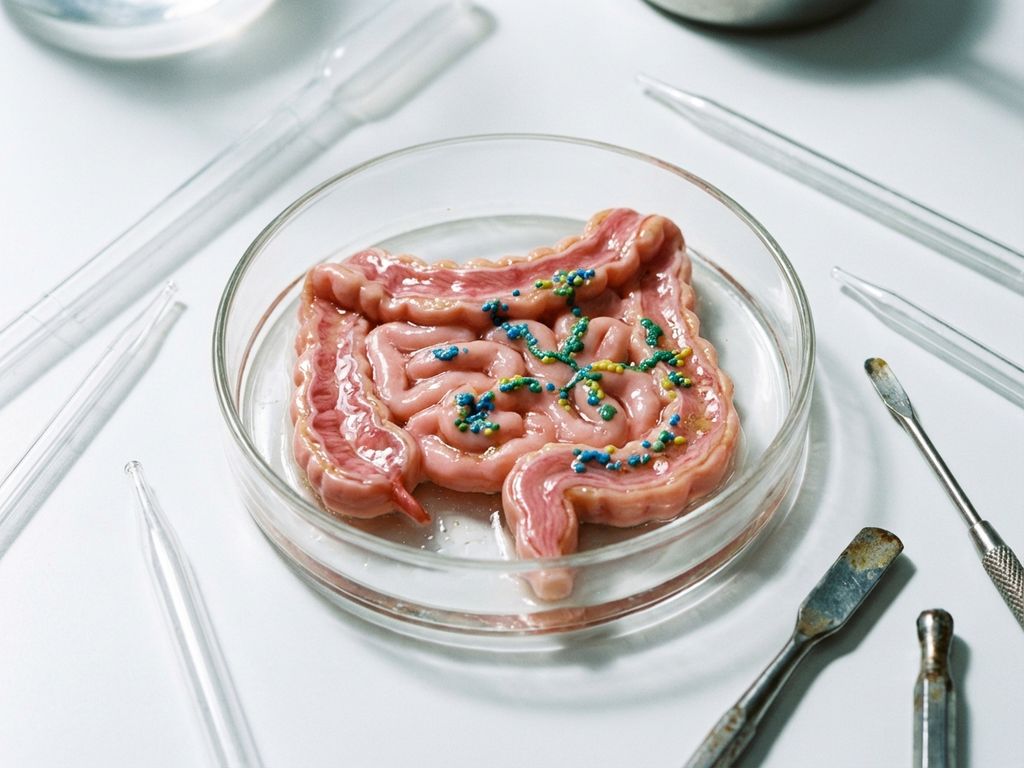
Gut models are sophisticated laboratory systems that recreate the complex environment of the human gastrointestinal tract to study microbiome interactions. These ex vivo platforms simulate physiological conditions, including pH gradients, oxygen levels, and microbial ecosystems, to predict how interventions affect gut bacteria. Modern gut models bridge the gap between preclinical research and clinical outcomes, providing validated insights within days rather than weeks.
What are gut models and why do they matter for microbiome research?
Gut models are laboratory platforms that replicate the conditions of the human gastrointestinal tract to study how microorganisms interact with each other and respond to interventions. These systems have evolved from simple cell cultures to sophisticated ex vivo platforms that maintain the original composition and function of human gut microbiota.
Traditional in vitro methods fall short because they often introduce significant bias, using only one to three parallel gut microbiota samples and creating artificial conditions that do not reflect real intestinal environments. Animal models have substantial limitations for human gut microbiome research due to fundamental differences in taxonomic composition, digestive physiology, gut transit times, and metabolic processes compared to humans.
Modern gut models address the “Valley of Death” between preclinical data and clinical outcomes by providing biorelevant simulations that can predict real-world human responses. They enable researchers to generate mechanistic evidence for regulatory submissions while reducing reliance on animal testing, aligning with the 3R principle and modern regulatory frameworks such as the FDA Modernization Act 2.0.
How do ex vivo gut models replicate real intestinal conditions?
Ex vivo gut models recreate physiological conditions by maintaining precise control over environmental factors that influence microbial behaviour. These systems simulate pH gradients from the acidic stomach environment to the neutral colon, manage oxygen levels that transition from aerobic to anaerobic conditions, and control nutrient flow patterns that mirror natural digestion.
Advanced platforms use modular design approaches that can simulate the entire gastrointestinal tract journey. They begin with upper GI tract simulation covering mouth, stomach, and small intestine processes, then progress to colonic fermentation, where non-digestible ingredients interact with gut bacteria for approximately 48 hours.
The key to maintaining biorelevance lies in using fresh, unmodified human microbiota and preserving its original composition throughout the fermentation process. This approach ensures that the microbial community remains stable and similar to its natural state, which can be verified by running parallel no-substrate controls alongside test conditions.
What types of microbiome interactions can gut models simulate?
Gut models can simulate diverse microbiome interactions, including host-microbe communication, inter-microbial relationships, metabolite production pathways, and responses to various interventions. These systems capture both direct effects on specific bacterial species and complex cross-feeding interactions between different microorganisms.
The models effectively demonstrate how probiotics, prebiotics, and pharmaceutical compounds influence microbial composition and metabolic activity. For example, they can show how specific ingredients stimulate butyrate-producing bacteria such as Faecalibacterium prausnitzii and Anaerobutyricum hallii, or how synbiotic combinations create synergistic effects that boost beneficial metabolite production.
Advanced gut models also simulate population-specific responses by using microbiota from different cohorts, including infants, adults, elderly individuals, and various disease states. This capability enables researchers to understand inter-individual variability and identify responder versus non-responder patterns that are crucial for personalised nutrition strategies.
How accurate are gut models compared to clinical outcomes?
Modern ex vivo gut models demonstrate strong predictive validity when properly validated, with results that correlate well with clinical trial outcomes. The key principle underlying this accuracy is that microbiome modulation is an immediate effect observable within 24–48 hours, whereas health outcomes are progressive and accumulate over time.
Validation studies have shown that advanced gut models can predict clinical outcomes for microbial composition changes, functional effects through metabolomics, and even tolerability markers through gas production measurements. These systems capture the initial causal microbial response that drives longer-term clinical benefits, providing mechanistic insights that complement clinical efficacy data.
The accuracy depends on proper implementation using fresh faecal material, maintaining ex vivo conditions without adaptation bias, and testing across multiple donors (a minimum of six to eight per cohort) to account for inter-individual variability. When these standards are met, gut models serve as powerful tools for de-risking clinical trials and generating predictive insights for regulatory submissions.
What applications do gut models have across different industries?
Gut models serve multiple sectors with applications ranging from functional food development to therapeutic product testing. Food and nutrition companies use these systems to demonstrate the bifidogenic effects of ingredients, optimise prebiotic formulations, and generate mechanistic evidence for health claims in regulatory dossiers.
Pharmaceutical and biotechnology firms leverage gut models to understand how drug compounds interact with gut microbiota, assess the impact of antibiotics on microbial communities, and develop microbiome-targeted therapeutics. These applications provide crucial safety and efficacy data for regulatory submissions, including Novel Food applications, GRAS notifications, and pharmaceutical investigational new drug applications.
The animal health sector benefits from adapted protocols that simulate the gut microbiomes of cats, dogs, poultry, and swine. This enables the development of species-specific probiotics and feed additives while reducing reliance on animal testing. The versatility of modern gut models makes them valuable tools across industries seeking to understand and optimise gut microbiome interactions.
How does Cryptobiotix advance gut microbiome simulation?
Cryptobiotix advances gut microbiome simulation through our proprietary SIFR® technology, which provides validated, predictive insights that bridge the gap between preclinical research and clinical outcomes. Our ex vivo platform combines unmatched throughput with high biorelevance, processing over 1,000 bioreactors per week while maintaining the original composition and function of human gut microbiota.
Our comprehensive approach includes:
- Validated predictivity for clinical outcomes across taxonomy, metabolomics, and tolerability markers
- Rapid turnaround times delivering insights within one to two days that mirror clinical outcomes requiring weeks of repeated intake
- Biobanking solutions with proprietary cryopreservation methods that preserve both the structure and function of gut microbiome samples
- Regulatory-grade data suitable for EFSA health claims, FDA submissions, and pharmaceutical regulatory dossiers
- Multi-omics analysis providing mechanistic insights for IP generation and clinical trial de-risking
Whether you are preparing regulatory submissions, developing functional foods, or advancing therapeutic products, our SIFR® technology provides the validated preclinical data you need to proceed with confidence. Contact us to discover how our gut microbiome simulation capabilities can accelerate your product development timeline and strengthen your regulatory strategy.
Frequently Asked Questions
How do I choose the right number of donors for my gut model study?
For robust results, use a minimum of 6-8 donors per cohort to account for inter-individual variability. Consider your target population (healthy adults, elderly, disease states) and ensure donors represent your intended demographic. Power calculations based on preliminary data can help determine optimal sample sizes for detecting meaningful differences between treatments.
What are the most common mistakes when implementing gut model studies?
The most frequent errors include using frozen or adapted microbiota instead of fresh samples, inadequate donor screening, and insufficient replication. Other pitfalls include improper pH control, inadequate anaerobic conditions, and failing to run parallel controls. Always validate your system with known positive controls before testing novel compounds.
How long should I run my gut model experiment to see meaningful results?
Most microbial composition changes are detectable within 24-48 hours, which is sufficient for screening studies. For comprehensive metabolomics analysis, 48-72 hours provides optimal data. Extended fermentations beyond 72 hours may introduce artifacts and should only be used for specific research questions requiring longer-term observations.
Can gut models predict negative effects or safety concerns of my product?
Yes, gut models can identify potential safety signals through gas production measurements (indicating digestive discomfort), pH changes (suggesting fermentation imbalances), and shifts toward potentially harmful bacterial populations. They're particularly valuable for detecting antibiotic-like effects or unexpected microbial disruptions before clinical testing.
What regulatory authorities accept gut model data for submissions?
Major regulatory bodies including FDA, EFSA, and Health Canada increasingly accept well-validated gut model data as supporting evidence for health claims, GRAS notifications, and Novel Food applications. The key is using validated platforms with demonstrated predictive accuracy and following good laboratory practices for data generation.
How do I validate that my gut model results will translate to clinical outcomes?
Validation requires demonstrating correlation between your model's outputs and known clinical endpoints. Use positive controls with established clinical effects, compare results across multiple validated platforms, and consider conducting small pilot clinical studies to confirm key findings before larger trials.
What's the difference between using fresh versus frozen microbiota samples?
Fresh microbiota maintains the original microbial composition and metabolic activity, providing the most biorelevant results. Frozen samples often show altered community structure and reduced metabolic function, though properly validated cryopreservation methods can minimize these effects. Fresh samples are always preferred when logistically feasible.