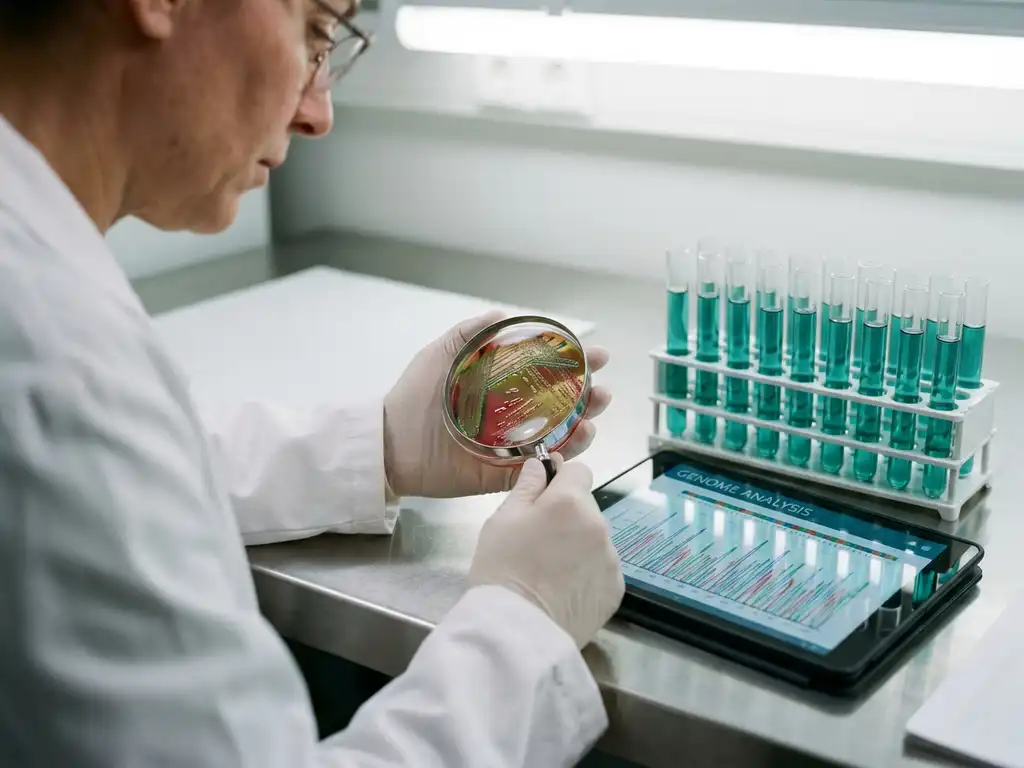
Gut microbiome tests can predict certain treatment responses with varying degrees of accuracy, particularly for digestive health interventions and some medications. These tests analyse bacterial composition and metabolic capacity to identify patterns that correlate with treatment outcomes. However, predictive capabilities remain limited by individual variation, standardisation challenges, and the complex nature of microbiome–treatment interactions across different therapeutic areas.
What are gut microbiome tests and how do they work?
Gut microbiome tests analyse the bacterial composition and functional capacity of intestinal microorganisms using stool samples and advanced sequencing techniques. These tests identify specific bacterial species, measure microbial diversity, and assess metabolic pathways that influence health outcomes.
The testing process begins with sample collection, typically requiring a fresh stool sample to preserve microbial integrity. Laboratory analysis employs DNA sequencing to identify bacterial taxa and metabolomics to assess functional capacity. Advanced tests can measure short-chain fatty acid production, inflammatory markers, and other metabolites that indicate how effectively the microbiome processes nutrients and supports immune function.
Modern testing platforms provide comprehensive profiles, including bacterial abundance, diversity indices, and functional predictions. These analyses reveal information about digestive capacity, immune system interactions, and potential responses to dietary interventions or therapeutic treatments.
Can current microbiome tests actually predict how you’ll respond to treatments?
Current microbiome tests show promising predictive capabilities for specific treatments, particularly digestive health interventions and certain medications metabolised by gut bacteria. Accuracy varies significantly depending on the treatment type, with stronger predictions for prebiotic responses and antibiotic effects than for more complex therapeutic interventions.
Validated predictive models exist for several treatment categories. Prebiotic and probiotic responses can be predicted based on baseline bacterial composition, particularly the presence of specific taxa that metabolise these interventions. Some pharmaceutical treatments show predictable microbiome-mediated effects, especially those requiring bacterial metabolism for activation or those significantly altered by microbial enzymes.
However, prediction accuracy remains variable across individuals and treatment types. Research demonstrates that microbiome-based predictions work best when combined with other clinical factors rather than used as standalone diagnostic tools. The field continues to advance towards more reliable predictive frameworks through improved analytical methods and larger validation datasets.
Why do some people respond differently to the same treatment?
Inter-individual variability in treatment responses stems from unique gut microbiome compositions that function like biological fingerprints. Each person’s microbial community processes treatments differently based on bacterial diversity, metabolic capacity, and host–microbiome interactions that influence drug metabolism and therapeutic efficacy.
Microbiome diversity plays a crucial role in treatment outcomes. Individuals with higher bacterial diversity typically show more stable responses to interventions, whereas those with dysbiotic or less diverse microbiomes may experience unpredictable effects. Specific bacterial strains can enhance or inhibit treatment efficacy through direct metabolic interactions or indirect effects on immune system function.
Genetic factors, lifestyle influences, and environmental exposures further contribute to response variability. Diet, medication history, stress levels, and sleep patterns all shape microbiome composition and function. These factors create complex interactions that determine whether an individual will be a responder or non-responder to specific treatments, highlighting the importance of personalised therapeutic approaches.
What types of treatments can microbiome testing help optimise?
Microbiome testing shows particular promise for optimising digestive health interventions, including prebiotics, probiotics, and dietary modifications. Testing can also guide antibiotic selection, predict immunotherapy responses, and inform personalised nutrition strategies based on individual bacterial composition and metabolic capacity.
Prebiotic and probiotic optimisation represents the most established application area. Testing identifies which bacterial strains are present or absent, enabling targeted supplementation strategies. For dietary interventions, microbiome analysis can predict responses to specific fibres, fermented foods, and elimination diets based on bacterial metabolic capabilities.
Pharmaceutical applications include antibiotic stewardship, where testing helps predict which antibiotics will be most effective while minimising collateral damage to beneficial bacteria. Emerging applications encompass immunotherapy optimisation, where specific bacterial signatures correlate with treatment success, and metabolic disorder management through personalised dietary recommendations.
What are the current limitations of microbiome-based treatment prediction?
Significant technical and practical limitations constrain current microbiome-based treatment prediction, including standardisation challenges, interpretation complexities, and substantial gaps between research findings and clinical implementation. Cost considerations and regulatory uncertainties further limit widespread adoption in healthcare settings.
Standardisation remains a major challenge across the testing pipeline. Sample collection methods, processing protocols, and analytical techniques vary significantly between laboratories, creating inconsistent results that limit predictive reliability. The lack of standardised reference databases and interpretation frameworks makes it difficult to compare results across different testing platforms or research studies.
Interpretation complexity poses another significant barrier. Microbiome data requires sophisticated analytical expertise to translate bacterial composition into actionable treatment recommendations. The dynamic nature of microbial communities means that single time-point testing may not capture relevant changes, while the cost and complexity of longitudinal monitoring limit practical implementation in clinical settings.
How Cryptobiotix advances predictive microbiome testing
Cryptobiotix addresses critical limitations in treatment response prediction through our validated SIFR® technology, which provides clinically predictive insights for product development and personalised medicine approaches. Our ex vivo gut simulation platform bridges the gap between preclinical research and clinical outcomes by maintaining microbiome authenticity while enabling high-throughput analysis.
Our approach delivers several key advantages:
- Validated predictivity: SIFR® technology demonstrates a proven correlation with clinical trial outcomes across taxonomy, metabolomics, and tolerability parameters
- Responder identification: High-throughput analysis across multiple donors enables stratification into responder and non-responder profiles
- Rapid insights: Generate clinically relevant data within 24–48 hours that mirrors outcomes that would otherwise require weeks of clinical testing
- Mechanistic understanding: Advanced multi-omics analysis provides actionable insights for product optimisation and regulatory submissions
We support pharmaceutical, biotechnology, and nutrition companies in de-risking product development through scientifically validated preclinical testing. Our technology enables informed decision-making for clinical trial design, regulatory dossier preparation, and personalised medicine strategies. Contact us to discover how SIFR® technology can advance your microbiome-based treatment prediction capabilities.
Frequently Asked Questions
How accurate are microbiome tests for predicting treatment responses compared to traditional diagnostic methods?
Microbiome tests currently achieve moderate accuracy for specific treatments, with prediction rates ranging from 60-80% for digestive health interventions. They work best when combined with traditional clinical markers rather than as standalone predictors, as the microbiome represents just one factor in treatment response alongside genetics, lifestyle, and underlying health conditions.
How often should I retest my microbiome if I'm using it to guide treatment decisions?
For treatment optimization, retesting every 3-6 months is typically recommended, as the microbiome can change significantly with dietary modifications, medications, or health status changes. However, if you’re starting a new intervention, testing after 4-8 weeks can help assess early response patterns and guide dosage or approach adjustments.
What should I do if my microbiome test results contradict my doctor's treatment recommendations?
Microbiome test results should complement, not replace, clinical judgment and established medical protocols. Discuss the findings with your healthcare provider to understand how they might inform your treatment plan. Many doctors are increasingly incorporating microbiome data, but it should always be considered alongside your medical history, symptoms, and proven clinical guidelines.
Are there any treatments I should avoid based on microbiome test results?
While microbiome tests can identify potential sensitivities or suboptimal responses, they shouldn’t be used to avoid medically necessary treatments. The tests are more valuable for optimizing dosages, timing, or complementary interventions. Always consult your healthcare provider before discontinuing or avoiding prescribed treatments based solely on microbiome results.
How do I choose between different microbiome testing companies for treatment prediction?
Look for companies that provide validated predictive models, transparent methodologies, and clinical evidence supporting their claims. Prioritize tests that offer actionable recommendations rather than just bacterial composition data, and ensure they use standardized collection and analysis protocols. Consider whether the company provides ongoing support for interpreting results and implementing recommendations.