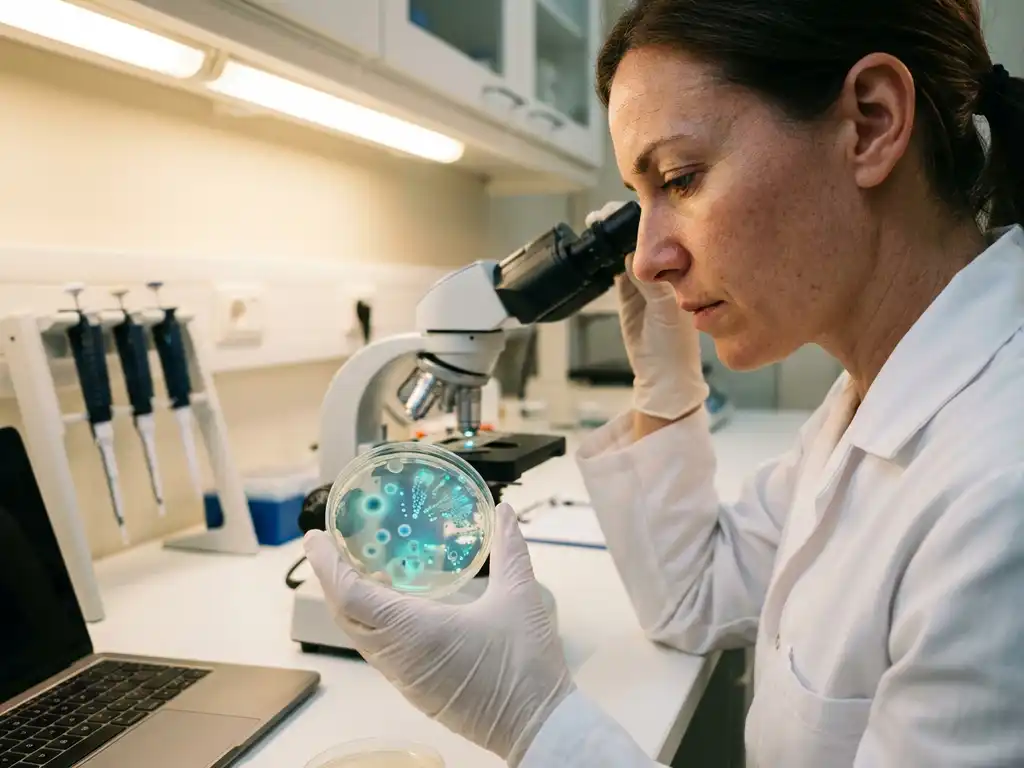
Companies should invest in gut microbiome testing when developing products that interact with the gut ecosystem, particularly during early R&D phases, to avoid costly clinical trial failures. Strategic timing depends on regulatory requirements, product complexity, and market pressures, with preclinical testing typically costing 60–80% less than failed trials. This investment becomes critical when targeting health claims, addressing inter-individual variability, or competing in evidence-driven markets across the functional foods, pharmaceuticals, and biotechnology sectors.
What is gut microbiome testing and why do companies need it?
Gut microbiome testing in commercial contexts involves evaluating how products affect the complex ecosystem of bacteria, fungi, and other microorganisms in the digestive tract. Unlike basic laboratory testing conducted under simplified conditions, validated microbiome testing simulates the harsh, dynamic environment of the human gut, where products must survive stomach acid, bile salts, and competition from trillions of established bacteria.
Companies developing functional foods, nutraceuticals, and microbiome therapeutics require these validated approaches because standard lab conditions create a significant disconnect from real-world effectiveness. Laboratory settings use sterile environments with optimal pH and abundant nutrients, whereas the human gut presents multiple survival barriers that can dramatically affect product efficacy.
The gap between promising lab results and clinical outcomes represents what researchers call the “Valley of Death” in microbiome research. Traditional preclinical models often fail to predict human responses, leading to high failure rates in expensive clinical trials. Companies need testing that maintains the original microbial composition throughout evaluation, preserving individual donor characteristics and physiological relevance.
When should companies start investing in microbiome testing during product development?
Companies should begin microbiome testing during early R&D phases, ideally before committing to expensive clinical trials. Early-stage testing allows for rapid screening of multiple formulations, doses, and target populations in parallel, significantly reducing development timelines and costs.
The optimal timing follows a strategic progression: screening for initial discovery and lead identification, followed by comprehensive validation before clinical trials. This approach enables companies to generate mechanistic evidence for patent protection while de-risking clinical trials by exploring variability of effects in target cohorts.
Microbiome effects occur immediately at the bacterial level within 24–48 hours, while health benefits accumulate progressively over time. This means early testing can capture the foundational microbial events that drive longer-term clinical outcomes, providing predictive insights that mirror clinical trial results, which typically require weeks of repeated intake.
Companies benefit most from implementing testing before regulatory submission phases, as agencies such as EFSA and the FDA increasingly demand robust mode-of-action data to substantiate health claims.
What are the warning signs that your product needs microbiome validation?
Key indicators include regulatory requirements for health claims, previous clinical trial failures, concerns about inter-individual variability, and competitive pressures requiring mechanistic evidence. Regulatory bodies increasingly demand comprehensive mode-of-action data, making validation essential for market approval.
Products showing promise in basic lab tests but failing in clinical trials represent a critical warning sign. This disconnect often stems from the inability of simplified testing to predict how diverse human populations will respond to interventions.
Inter-individual variability presents another major risk factor. Each person’s gut microbiome is unique, and these differences drive variable responses to interventions. Products that work for some consumers but not others require testing that can identify responder and non-responder profiles before expensive trial commitments.
Market competition also signals validation needs. Companies competing in evidence-driven sectors must demonstrate scientific credibility through peer-reviewed publications and robust scientific publications that support their product claims.
How much does microbiome testing cost compared to failed clinical trials?
Preclinical microbiome testing typically costs 60–80% less than animal studies and represents a fraction of clinical trial investments, which range from £400,000 to £4 million or more. Failed clinical trials create massive financial losses that far exceed preclinical testing investments.
The return on investment calculation strongly favours early validation. Comprehensive preclinical testing might cost tens of thousands of pounds, whereas a single failed clinical trial can represent millions in lost investment, plus additional costs for reformulation and retesting.
Beyond direct financial impact, failed trials create opportunity costs through delayed market entry, damaged investor confidence, and competitive disadvantage. Early validation helps companies proceed with clarity, whether securing intellectual property, building regulatory dossiers, or preparing for clinical trials.
The high-throughput nature of modern testing platforms enables parallel evaluation of multiple conditions, maximising the value of each testing investment while providing comprehensive insights across diverse target populations.
Which industries benefit most from gut microbiome testing investments?
Functional foods, nutraceuticals, pharmaceuticals, biotechnology, and animal health industries benefit significantly from microbiome testing, each facing specific regulatory requirements and market pressures. Functional food companies need mechanistic evidence to support health claims and differentiate products in competitive markets.
Pharmaceutical and biotechnology firms developing microbiome therapeutics face the highest regulatory scrutiny, requiring comprehensive safety and efficacy data. These sectors benefit from testing that can predict clinical outcomes while addressing inter-individual variability concerns.
The nutraceutical industry operates in a complex regulatory environment where health claim substantiation requires robust scientific evidence. Companies in this sector use microbiome testing to support marketing claims and build consumer confidence through science-based validation.
Animal health companies developing products for cats, dogs, poultry, and swine benefit from species-specific testing approaches. These applications require adapted protocols that account for different digestive physiologies and microbial compositions across animal species.
How Cryptobiotix helps companies make smart microbiome testing investments
Cryptobiotix provides validated, predictive gut microbiome insights through our proprietary SIFR® technology, helping companies de-risk product development and optimise R&D investments. Our ex vivo testing platform bridges the gap between preclinical data and clinical outcomes by maintaining the original donor microbiome composition throughout evaluation.
Our approach delivers comprehensive solutions:
- High-throughput screening enabling parallel evaluation of multiple formulations and target populations
- Clinical predictivity validated for taxonomy, metabolomics, and tolerability outcomes
- Mechanistic insights supporting patent protection, regulatory submissions, and science-based marketing
- Responder profiling identifying inter-individual variability patterns before clinical trials
- Rapid turnaround generating insights within days that mirror clinical outcomes requiring weeks
We serve multiple sectors, including functional foods, pharmaceuticals, biotechnology, and animal health, providing the validated evidence needed to accelerate regulatory approval and secure competitive advantages. Contact us to discuss how our predictive testing can optimise your product development strategy and reduce clinical trial risks.
Frequently Asked Questions
How long does microbiome testing take and how does this compare to traditional clinical trial timelines?
Microbiome testing typically delivers results within days to weeks, compared to clinical trials which require months to years for completion. This rapid turnaround allows companies to make quick decisions about formulation changes, dosing strategies, or target population selection before committing to lengthy and expensive clinical studies.
What specific data should I expect from microbiome testing to support regulatory submissions?
Comprehensive microbiome testing provides taxonomic analysis showing bacterial population changes, metabolomics data revealing functional outcomes, safety/tolerability profiles, and mechanistic evidence explaining how your product works. This data package supports health claim substantiation for regulatory bodies like EFSA and FDA, while also providing the scientific foundation for patent applications.
How do I choose the right microbiome testing approach for my specific product type?
The testing approach depends on your product category, target population, and regulatory requirements. Functional foods typically need broader population screening, while pharmaceuticals require more detailed safety and dose-response studies. Consider factors like your product's mechanism of action, intended health benefits, and whether you're targeting specific demographic groups or health conditions.
What happens if microbiome testing reveals my product doesn't work as expected?
Early-stage testing that reveals efficacy issues is actually a valuable outcome that saves significant costs. You can use these insights to reformulate your product, adjust dosing, identify better target populations, or pivot to alternative applications before expensive clinical commitments. This iterative approach often leads to stronger, more targeted products.
Can microbiome testing help identify why some people respond to my product while others don't?
Yes, responder profiling is one of the key advantages of comprehensive microbiome testing. By analyzing diverse donor samples, testing can identify baseline microbiome characteristics that predict positive responses, allowing you to develop personalized approaches or target specific consumer segments with higher likelihood of success.