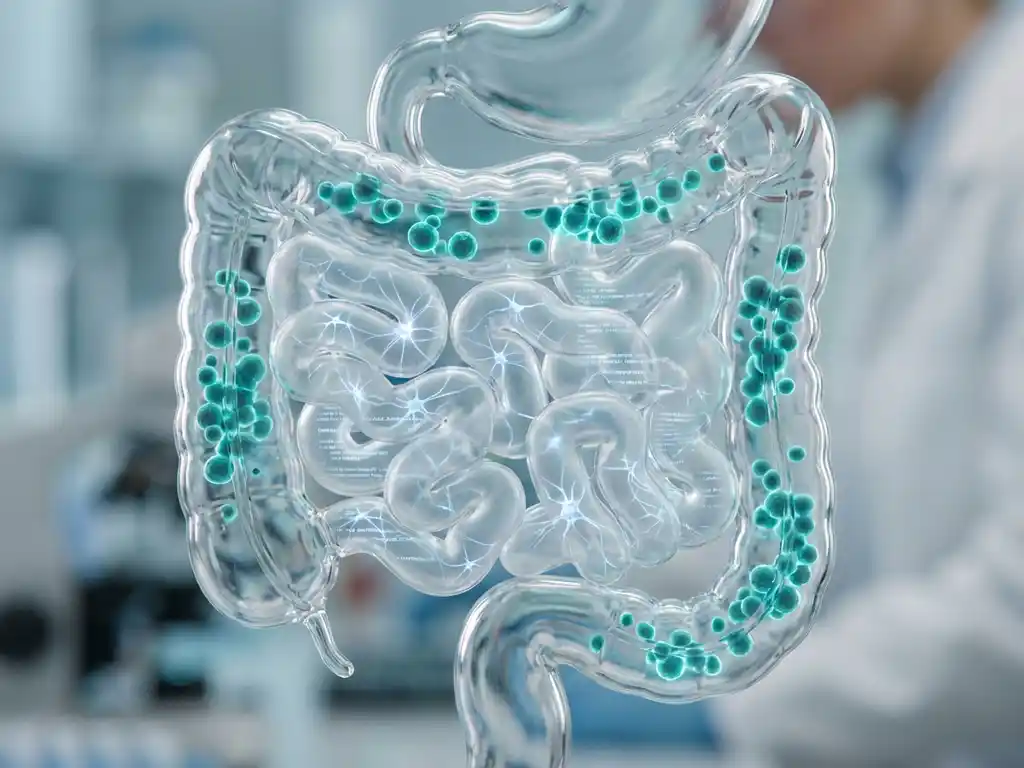
Predictive gut microbiome models are advanced laboratory systems that simulate human gastrointestinal conditions to forecast how products will perform in clinical trials. These models bridge the gap between basic preclinical testing and expensive human studies by maintaining the complexity of real gut environments. They address the critical “Valley of Death” problem, in which promising laboratory results fail to translate into successful clinical outcomes.
What are predictive gut microbiome models and why do they matter?
Predictive gut microbiome models are sophisticated ex vivo systems that replicate human gastrointestinal conditions using fresh, unmodified gut microbiota samples. Unlike traditional laboratory testing, these models preserve the original complexity and individual characteristics of donor microbiomes throughout fermentation.
The core purpose is to bridge the preclinical and clinical phases of research. Traditional models suffer from low biorelevance, limited consideration of inter-individual variation, and inadequate data analysis capabilities. This creates the notorious “Valley of Death”, where products that show promise under simplified laboratory conditions fail dramatically in expensive clinical trials.
These validated simulation technologies generate clinically predictive data within 24–48 hours, capturing the immediate microbial responses that drive longer-term health outcomes. This rapid insight allows researchers to evaluate how gut modulators—from functional foods to pharmaceutical ingredients—will perform across diverse human populations before committing to costly clinical development.
How do ex vivo gut simulation technologies actually work?
Ex vivo gut simulation technologies operate by creating controlled environments that replicate the harsh, dynamic conditions of the human gastrointestinal tract. These systems use fresh human gut microbiota samples, maintaining their original composition as if they were living tissue biopsies.
The methodology involves miniaturised, automated batch fermentation processes conducted in closed bioreactors. These systems simulate the complex interplay among digestive processes, microbial fermentation, and host–microbiome interactions under physiologically relevant conditions. The technology captures gas production patterns, metabolite generation, and taxonomic shifts that mirror real-world gut responses.
Critical to their effectiveness is the preservation of microbial community structure throughout the fermentation period. The systems maintain appropriate pH levels, oxygen gradients, and nutrient availability while avoiding the artificial optimisation that characterises traditional laboratory testing. This biorelevant approach enables researchers to observe cross-feeding interactions, competitive dynamics, and metabolic responses that closely predict clinical trial outcomes.
What’s the difference between traditional preclinical models and predictive gut microbiome systems?
Traditional preclinical models rely heavily on animal testing and basic in vitro approaches that poorly predict human responses. Animal microbiomes differ fundamentally from human systems in taxonomic composition, digestive physiology, gut transit times, and bile acid profiles, leading to non-translatable results.
Basic in vitro testing typically investigates only 1–3 gut microbiota samples in parallel and is subject to significant laboratory bias. These simplified conditions use sterile environments with optimal pH and abundant nutrients—nothing like the competitive, harsh environment of the human gut, where products must survive stomach acid, bile salts, and intense microbial competition.
Advanced predictive microbiome systems overcome these limitations through several key advantages. They utilise fresh, unmodified human microbiota while maintaining original donor characteristics. They process a minimum of 6–8 different donors per cohort, enabling reliable statistical analysis and insights into responder versus non-responder profiles. Most importantly, they demonstrate validated clinical predictivity through peer-reviewed publications that correlate model results with human trial outcomes across taxonomy, metabolomics, and tolerability parameters.
Why do so many gut health products fail in clinical trials?
Gut health products fail in clinical trials primarily due to inadequate preclinical validation using models that do not accurately predict human responses. The disconnect stems from fundamental differences between simplified laboratory conditions and the complex, competitive environment of the human gastrointestinal tract.
Inter-individual variability represents another major challenge. Products may work effectively for some consumers but not others, yet traditional preclinical testing lacks the capability to identify responder versus non-responder profiles before expensive clinical commitments. This variability remains invisible until costly human trials reveal disappointing average results.
Gaps in mechanistic understanding compound these problems. Regulatory bodies increasingly demand robust mode-of-action data, yet legacy preclinical models fail to provide the depth and predictive validity required for regulatory dossiers. Products advance to clinical testing without sufficient understanding of their mechanisms, leading to trial design flaws and inappropriate endpoint selection. Predictive models address these issues by providing mechanistic insights, dose–response relationships, and population-specific data that inform better clinical trial design.
How can predictive gut models accelerate product development timelines?
Predictive gut models dramatically reduce development timelines by providing rapid screening capabilities that generate insights within days rather than months. These systems enable parallel testing of multiple formulations, doses, and target populations simultaneously, replacing sequential approaches that traditionally extend development cycles.
The technology delivers comprehensive data packages, including taxonomic shifts, metabolite production profiles, and tolerability markers, within 24–48 hours of testing. This rapid turnaround enables iterative product optimisation during early development phases, when modifications remain cost-effective and technically feasible.
Cost reduction is equally significant, with ex vivo testing typically 60–80% less expensive than animal studies. The ability to screen extensively before committing to clinical trials helps companies avoid the massive financial losses associated with late-stage failures. By providing population-specific insights early in development, these models enable targeted clinical trial designs that focus on likely responder populations, improving success rates while reducing participant numbers and study duration.
How Cryptobiotix helps with predictive gut microbiome modelling
Cryptobiotix provides validated predictive insights through our proprietary SIFR® technology, addressing the critical gap between preclinical testing and clinical outcomes. Our ex vivo platform delivers clinically predictive data within 1–2 days, effectively bridging the “Valley of Death” in product development.
Our comprehensive services include:
- High-throughput screening across multiple formulations and target populations simultaneously
- Mechanistic insights through multi-omics analysis, including taxonomy, metabolomics, and host–microbiome interactions
- Population stratification using a minimum of 6–8 donors per cohort to identify responder profiles
- Regulatory support with validated data packages for patent protection and regulatory submissions
- Biobanking solutions providing pre-qualified, characterised microbiome samples for immediate testing
We serve multiple sectors, including functional foods, pharmaceuticals, biotechnology, and animal health, with proven expertise across diverse populations and disease states. Our scientific publications demonstrate validated predictivity for clinical outcomes, providing the confidence needed for informed product development decisions.
Ready to de-risk your product development with predictive gut microbiome insights? Contact our team to discuss how SIFR® technology can accelerate your research timeline and improve clinical success rates.
Frequently Asked Questions
How long does it typically take to get results from predictive gut microbiome testing?
Results are available within 24-48 hours of testing initiation. This rapid turnaround allows for quick decision-making during product development, enabling iterative optimization when modifications are still cost-effective and technically feasible.
What sample size is needed to get statistically reliable results from ex vivo gut models?
A minimum of 6-8 different donor microbiomes per cohort is required for reliable statistical analysis. This sample size enables meaningful insights into responder versus non-responder profiles and accounts for inter-individual variability that's critical for predicting clinical outcomes.
Can predictive gut models identify which populations will respond best to my product?
Yes, these models excel at population stratification by testing across diverse donor microbiomes with different characteristics. The technology can identify specific responder profiles based on baseline microbiome composition, helping you target the right populations for clinical trials and commercial success.
How do I know if my product needs predictive gut microbiome testing before clinical trials?
If your product targets gut health, modulates the microbiome, or has shown variable results in preliminary testing, predictive models are essential. They're particularly valuable for products with novel mechanisms of action or those targeting specific populations where traditional preclinical models have limited predictive value.
What types of data outputs can I expect from predictive gut microbiome testing?
You'll receive comprehensive multi-omics data including taxonomic shifts, metabolite production profiles, tolerability markers, and mechanistic insights. This data package supports regulatory submissions, patent applications, and informed clinical trial design with dose-response relationships and population-specific responses.