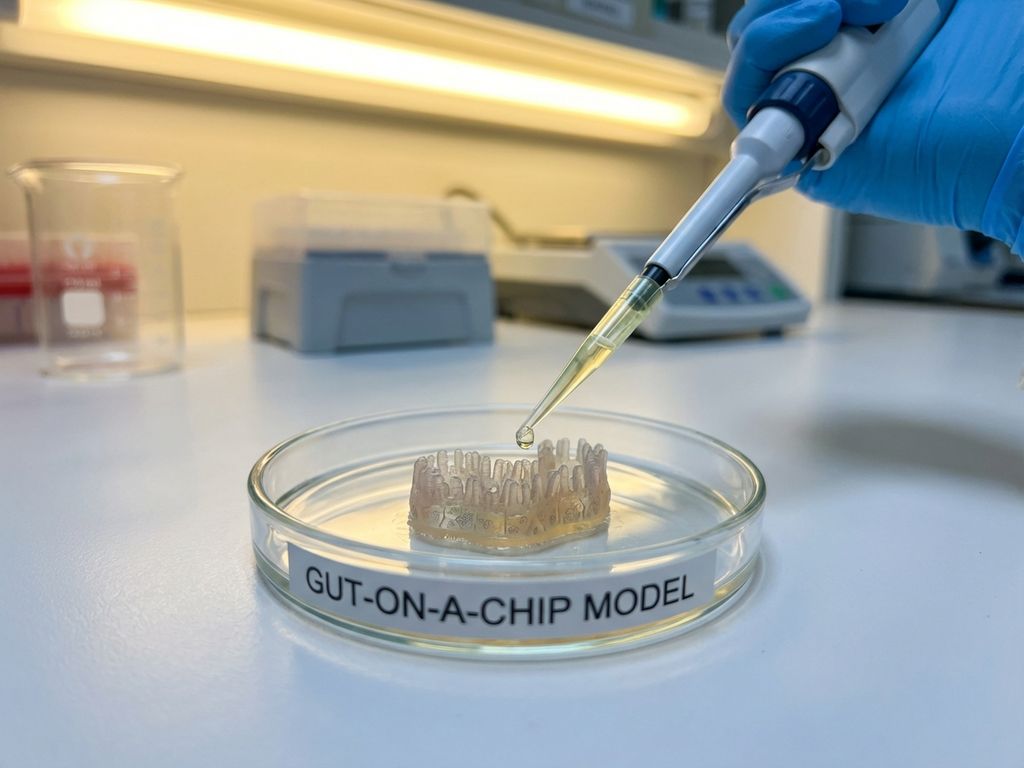
Gut models are advanced laboratory systems that replicate human digestive processes to evaluate how foods interact with our gastrointestinal tract and microbiome. These sophisticated testing platforms provide critical safety data by simulating digestion, fermentation, and host interactions under controlled conditions. They are becoming essential for food safety assessment because traditional methods often miss complex gut–food interactions that affect human health.
What are gut models and why do they matter for food safety?
Gut models are ex vivo laboratory systems that recreate the physiological conditions of the human gastrointestinal tract to test food safety. They simulate the complex interactions between food ingredients, digestive processes, and gut microbiota that occur naturally in our bodies. These models matter because they can predict how foods will behave in real human digestive systems before products reach consumers.
Traditional food safety testing methods often focus on individual components or simple chemical analyses, but they miss the intricate biological processes that happen during digestion. When food enters our gut, it undergoes complex transformations involving stomach acid, digestive enzymes, and trillions of microorganisms. These interactions can affect nutrient absorption, produce beneficial or harmful metabolites, and influence overall gut health.
Modern gut models address these limitations by providing a comprehensive view of food–gut interactions. They can identify potential safety issues that might not appear in conventional testing, such as unexpected metabolite production or adverse effects on beneficial gut bacteria. This predictive capability is particularly valuable for novel ingredients, functional foods, and products targeting specific health benefits.
How do gut models simulate real digestive processes for food testing?
Advanced gut models replicate human digestion through multi-stage simulation systems that mirror the mouth, stomach, small intestine, and colon. They use controlled temperature, pH levels, enzyme concentrations, and oxygen conditions that match physiological environments. The most sophisticated models incorporate fresh human microbiota to ensure biologically relevant fermentation processes.
The simulation begins with upper gastrointestinal tract modelling, often using protocols based on established standards like INFOGEST 2.0. This stage replicates the mechanical breakdown, acid digestion, and enzyme activity that occur in the mouth, stomach, and small intestine. Food samples are subjected to the same pH changes, enzyme concentrations, and transit times that occur during normal digestion.
For gut microbiome interactions, advanced models use fresh, unmodified human faecal samples as the microbial inoculum. This approach maintains the original taxonomic and functional composition of the gut microbiome, avoiding the bias introduced by cultured or adapted bacterial communities. The fermentation occurs in controlled bioreactors that maintain anaerobic conditions, appropriate temperature, and physiological pH levels.
These systems can measure multiple parameters simultaneously, including gas production (indicating tolerability), short-chain fatty acid production, changes in microbial composition, and metabolite profiles. Some models can even assess downstream effects on human cells by applying fermented samples to cell cultures, providing insights into gut barrier integrity and immune responses.
What types of food safety questions can gut models answer?
Gut models can address comprehensive food safety applications including toxicity screening, microbiome impact assessment, ingredient interactions, allergen evaluation, and tolerability testing. They provide mechanistic insights into how foods affect gut health, identify potential adverse reactions, and evaluate the safety of novel ingredients before human consumption.
Toxicity screening represents a primary application, where gut models can detect harmful metabolites produced during digestion that would not be apparent in the original food product. They can identify whether certain food combinations or processing methods create toxic compounds through microbial fermentation or chemical interactions in the gut environment.
Microbiome impact evaluation is particularly valuable for assessing how foods affect beneficial gut bacteria. Models can determine whether ingredients support healthy microbial communities or potentially disrupt the gut ecosystem. This includes measuring effects on specific bacterial species, overall microbial diversity, and the production of beneficial metabolites like short-chain fatty acids.
Ingredient interaction studies help identify unexpected effects when multiple food components are consumed together. Gut models can reveal whether certain combinations enhance or inhibit each other’s safety profiles, or create new compounds through digestive processes.
Tolerability assessment through gas production measurement provides insights into potential digestive discomfort. Models can predict whether ingredients might cause bloating, flatulence, or other gastrointestinal symptoms, helping manufacturers optimise formulations for consumer comfort.
Why are gut models becoming essential for regulatory food approval?
Regulatory agencies increasingly demand mechanistic evidence that explains how food products work and demonstrates their safety through biological pathways. Gut models provide the predictive insights and mode-of-action data required for novel food applications, health claim substantiation, and regulatory dossier preparation across multiple jurisdictions.
The regulatory landscape has evolved beyond simple safety testing to require a comprehensive understanding of how foods interact with human biology. Agencies like EFSA, FDA, and Health Canada now expect detailed mechanistic data showing not just that a product is safe, but how it achieves its effects and what biological processes are involved.
For novel food applications, gut models provide crucial safety data that bridge the gap between basic chemical analysis and human clinical trials. They offer a cost-effective way to generate robust safety evidence early in product development, helping companies build stronger regulatory dossiers and respond to agency questions about mechanism of action.
The predictive validity of advanced gut models means their data can support regulatory submissions with confidence. When properly validated, these models can predict clinical outcomes, making them valuable tools for demonstrating product safety and efficacy to regulatory reviewers.
This shift towards mechanistic evidence reflects regulators’ recognition that food safety extends beyond traditional toxicology to include effects on gut health, microbiome balance, and overall physiological function. Gut models provide the comprehensive data needed to address these broader safety considerations.
What are the advantages of using gut models over traditional food safety testing?
Gut models offer superior human relevance compared to animal testing, faster results than clinical trials, reduced costs, and the ability to test multiple scenarios simultaneously. They provide mechanistic insights that traditional methods miss while supporting the 3R principle of replacing, reducing, and refining animal testing approaches.
Human relevance represents the most significant advantage, as gut models use actual human microbiota and physiological conditions rather than animal systems that may not translate to human outcomes. Animal microbiomes differ substantially from human microbiomes in taxonomic composition, metabolic function, and digestive physiology, leading to potentially misleading safety conclusions.
Speed and efficiency advantages are considerable, with advanced models generating results within days rather than the weeks or months required for animal studies or clinical trials. This rapid turnaround enables iterative testing and optimisation during product development, helping companies make informed decisions quickly.
Cost-effectiveness makes comprehensive safety testing accessible to more companies, with ex vivo testing typically 60–80% less expensive than animal studies. This economic advantage allows for more extensive testing across different populations and scenarios without prohibitive costs.
The ability to test multiple conditions simultaneously provides insights into population variability and individual responses. Models can assess how products perform across different age groups, health states, or genetic backgrounds using appropriate microbiota samples, providing a more complete safety picture than single-condition studies.
How Cryptobiotix helps with food safety testing through advanced gut simulation
Cryptobiotix addresses food safety testing needs through our validated SIFR® technology platform, which provides predictive insights into food–gut interactions with proven clinical relevance. Our ex vivo approach delivers comprehensive safety data that supports regulatory submissions and de-risks product development across the food industry.
Our food safety testing services include:
- Comprehensive safety screening using fresh human microbiota to assess toxicity, tolerability, and microbiome impact
- Mechanistic analysis providing mode-of-action evidence required for regulatory dossiers and health claim substantiation
- Multi-population testing across different age groups and health states to understand safety variability
- Integrated digestion–fermentation models compatible with INFOGEST 2.0 protocols for complex food matrices
- Regulatory-grade reporting with detailed documentation suitable for submission to EFSA, FDA, and other agencies
Our validated technology platform has demonstrated predictive accuracy for clinical outcomes across taxonomy, metabolomics, and tolerability parameters. This proven reliability means you can trust our data to support critical regulatory decisions and product development strategies.
Whether you are developing novel ingredients, functional foods, or need comprehensive safety validation for regulatory approval, our expert team provides the insights needed to proceed with confidence. Contact us to discuss how our advanced gut simulation technology can support your food safety testing requirements and accelerate your path to market.
Frequently Asked Questions
How long does it typically take to get results from gut model testing compared to traditional methods?
Gut model testing typically delivers results within 5-10 days, significantly faster than animal studies (4-12 weeks) or clinical trials (6-18 months). This rapid turnaround allows for iterative product development and quick decision-making, while still providing comprehensive safety data that's more human-relevant than traditional animal testing approaches.
What sample size and preparation is needed for gut model food safety testing?
Most gut model studies require 10-50 grams of food product, depending on the complexity of testing required. Samples should be prepared as they would be consumed (cooked, processed, etc.) and can include liquid products, powders, or solid foods. The testing platform can accommodate various food matrices and doesn't require special preservation methods.
Can gut models detect food safety issues that wouldn't show up in standard laboratory analysis?
Yes, gut models excel at identifying safety concerns that emerge only during digestion and fermentation processes. They can detect toxic metabolites produced by gut bacteria, unexpected ingredient interactions, and adverse effects on beneficial microbes that standard chemical analysis would miss completely. This makes them particularly valuable for novel ingredients and complex food formulations.
How do I know if my food product needs gut model testing versus traditional safety testing?
Consider gut model testing if your product contains novel ingredients, targets gut health benefits, undergoes significant microbial fermentation, or requires regulatory approval with mechanistic evidence. Products with prebiotic claims, functional foods, and ingredients that interact with the microbiome particularly benefit from this comprehensive approach to demonstrate both safety and efficacy.
What regulatory agencies accept gut model data for food safety submissions?
Major regulatory agencies including EFSA, FDA, Health Canada, and FSANZ increasingly accept well-validated gut model data, especially when it provides mechanistic evidence and follows established protocols like INFOGEST 2.0. The key is using validated platforms with demonstrated clinical relevance and providing comprehensive documentation that meets regulatory standards for novel food applications.
How accurate are gut models at predicting real-world digestive responses and tolerability?
Advanced gut models using fresh human microbiota show strong predictive accuracy for clinical outcomes, particularly for tolerability markers like gas production and metabolite profiles. Studies demonstrate good correlation between ex vivo results and human clinical data, especially when models incorporate physiologically relevant conditions and diverse population samples to account for individual variability.
What happens if my food product shows concerning results in gut model testing?
Concerning results provide valuable early-stage insights that can guide product reformulation before costly clinical trials or market launch. The mechanistic data helps identify specific issues—whether it's toxic metabolite production, microbiome disruption, or tolerability problems—allowing targeted modifications to ingredients, processing methods, or dosing recommendations to address safety concerns.