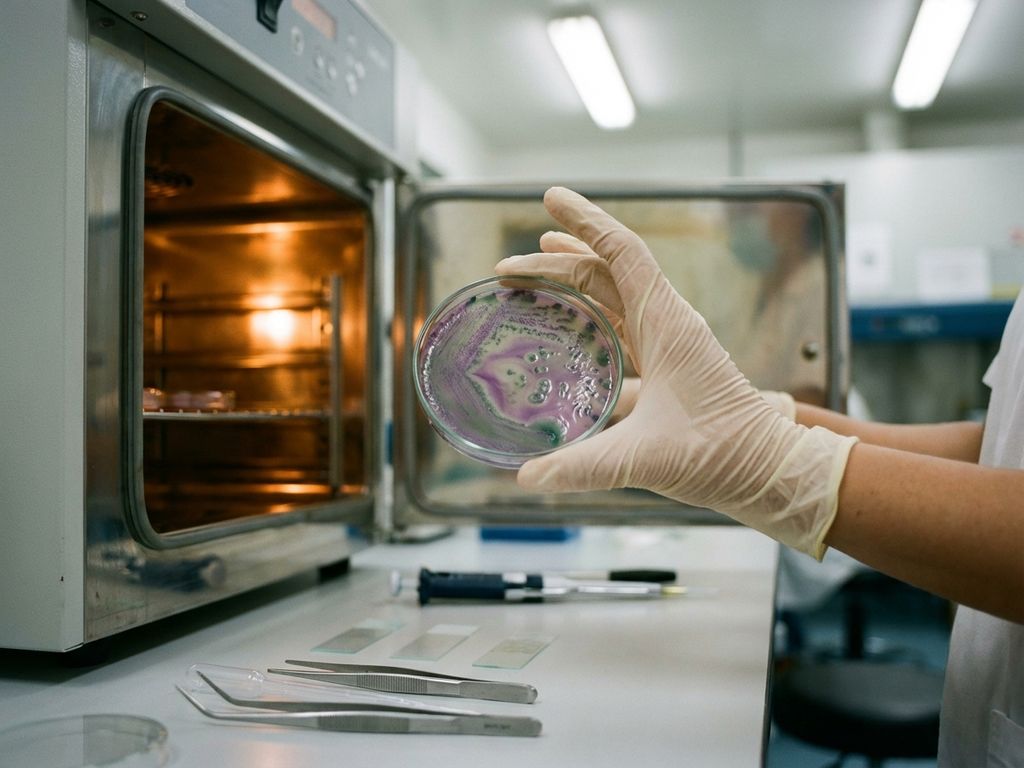
Gut models handle anaerobic bacterial cultures by maintaining strict oxygen-free environments through specialised chamber systems, controlled gas mixtures, and continuous monitoring protocols. These systems recreate the oxygen-free conditions essential for cultivating the majority of gut bacteria, which cannot survive in the presence of oxygen. Proper anaerobic cultivation requires sophisticated infrastructure, quality control measures, and validated protocols to ensure bacterial viability and research reliability.
What makes anaerobic bacterial cultivation so challenging in gut research?
Anaerobic bacterial cultivation presents significant challenges because most gut bacteria are obligate anaerobes that die within minutes of oxygen exposure. The human gut microbiome consists of over 90% anaerobic species that have evolved in the oxygen-free environment of the colon, making them extremely sensitive to even trace amounts of oxygen.
The technical difficulties begin with sample collection and handling. Fresh faecal material must be processed immediately to prevent bacterial die-off, requiring specialised transport conditions and rapid laboratory processing. Contamination risks multiply when working with anaerobic cultures, as any breach in the oxygen-free environment can compromise entire bacterial populations.
Temperature fluctuations, pH variations, and nutrient availability further complicate anaerobic cultivation. These factors directly affect bacterial viability and can alter the microbial community structure, leading to unreliable research outcomes. The challenge intensifies when researchers need to maintain these conditions throughout extended fermentation periods while preserving the original donor microbiome composition.
How do modern gut models maintain oxygen-free environments?
Modern gut models maintain oxygen-free environments through sophisticated anaerobic chamber systems that create and sustain strict anaerobic conditions. These chambers use controlled gas mixtures, typically containing nitrogen, carbon dioxide, and hydrogen, while completely excluding oxygen to replicate the natural gut environment.
Advanced monitoring technologies continuously track oxygen levels using sensitive electrodes and gas chromatography systems. These monitoring systems can detect oxygen concentrations as low as parts per million, ensuring that anaerobic conditions remain stable throughout the research period. Any deviation triggers immediate corrective measures to prevent bacterial mortality.
The technical infrastructure includes specialised bioreactor systems with gas-tight seals, automated gas purging capabilities, and temperature-controlled environments. These systems maintain physiological conditions, including appropriate pH levels (typically 6.5–7.0), temperature (37°C), and nutrient availability that mirror the human colon environment.
What types of anaerobic bacteria are most important in gut models?
The most important anaerobic bacteria in gut models include butyrate-producing species such as Faecalibacterium prausnitzii, Anaerobutyricum hallii, and Coprococcus catus, which produce critical short-chain fatty acids for colon health. These bacteria represent key functional groups that directly impact human health through their metabolic activities.
Bifidobacterium species, particularly Bifidobacterium adolescentis, play crucial roles in carbohydrate fermentation and immune system modulation. These bacteria are essential for understanding prebiotic effects and probiotic interactions within the gut ecosystem. Their accurate cultivation is vital for meaningful research outcomes in functional food development.
Bacteroides species dominate the adult gut microbiome and are responsible for complex polysaccharide breakdown. Their metabolic functions influence nutrient availability for other bacterial species, making them critical for understanding cross-feeding interactions and overall microbiome stability. Proper cultivation of these species ensures that gut models accurately represent the complex bacterial networks found in the human colon.
How do researchers validate that their gut models accurately represent anaerobic conditions?
Researchers validate anaerobic conditions through comprehensive testing protocols that include bacterial viability assessments and metabolic activity indicators. The most reliable validation involves comparing the starting microbiome composition with endpoint composition in control samples, demonstrating that the bacterial community remains stable throughout the fermentation period.
Quality control measures include continuous oxygen monitoring, pH tracking, and temperature logging to ensure physiological relevance. Researchers use specific anaerobic indicator bacteria as biological markers, as these species cannot survive in the presence of oxygen. Their continued viability confirms that truly anaerobic conditions have been maintained.
Metabolic activity validation focuses on measuring short-chain fatty acid production, particularly acetate, propionate, and butyrate, which are primary indicators of healthy anaerobic fermentation. Gas production measurements also serve as tolerability biomarkers, providing additional confirmation that the anaerobic bacterial community is functioning properly. These validation standards ensure research reliability and reproducibility across different studies.
What are the common problems when culturing anaerobic gut bacteria?
The most common problem is oxygen contamination during sample handling or equipment malfunction, which causes rapid bacterial die-off and compromises research integrity. Even brief exposure to oxygen can eliminate sensitive anaerobic species, fundamentally altering the microbial community structure and leading to unreliable results.
Culture medium optimisation presents ongoing challenges, as different bacterial species require specific nutrients and growth factors. Inadequate medium composition can favour fast-growing species while suppressing important slow-growing anaerobes, creating an unbalanced bacterial community that does not represent the original donor microbiome.
Temperature and pH management issues frequently arise during extended fermentation periods. Temperature fluctuations can stress bacterial populations, while pH drift can inhibit specific bacterial groups or favour unwanted species. These problems are compounded by technical variability in manual handling procedures, which can introduce inconsistencies between samples and reduce the reproducibility of research outcomes.
How Cryptobiotix ensures optimal anaerobic conditions in gut microbiome research
We maintain optimal anaerobic conditions through our validated SIFR® technology platform, which uses automated closed bioreactor systems specifically designed for ex vivo gut microbiome research. Our approach ensures strict anaerobic environments while preserving the original donor microbiome composition throughout the fermentation period.
Our comprehensive quality control measures include:
- Continuous oxygen monitoring with real-time alerts for any environmental changes
- Automated gas pressure measurement systems that serve as tolerability biomarkers
- Validated protocols that maintain physiological pH, temperature, and nutrient conditions
- Fresh, unmodified human gut microbiota samples processed under strict anaerobic conditions
- Multi-omics analysis capabilities, including taxonomy and metabolomics profiling
Our SIFR® technology has been extensively validated to predict clinical outcomes, ensuring that anaerobic cultivation results translate into meaningful insights for regulatory submissions and product development. We process over 1,000 bioreactors per week while maintaining the highest standards for scientific publications and regulatory compliance.
Whether you are developing functional foods, probiotics, or therapeutic products requiring mechanistic evidence for regulatory dossiers, our validated anaerobic cultivation protocols provide the reliable, predictive data you need. Contact our team to discuss how our expertise in anaerobic gut microbiome research can support your specific research applications and regulatory requirements.
Frequently Asked Questions
How long can anaerobic gut bacteria survive outside their oxygen-free environment?
Most obligate anaerobic gut bacteria die within 2-10 minutes of oxygen exposure, with some sensitive species dying in under 30 seconds. This is why immediate processing and strict anaerobic handling protocols are absolutely critical from sample collection through cultivation. Even brief exposure during transfers can eliminate entire bacterial populations and compromise research outcomes.
What should I look for when selecting an anaerobic chamber system for gut microbiome research?
Key features include oxygen detection capabilities below 1 ppm, automated gas purging systems, temperature control to ±0.5°C, and gas-tight seals with minimal manual intervention points. Look for systems with continuous monitoring, alarm systems for environmental breaches, and compatibility with standard laboratory equipment. The chamber should also accommodate your sample throughput requirements while maintaining consistent conditions.
Can I use standard culture media for anaerobic gut bacteria, or do I need specialized formulations?
Standard aerobic culture media are inadequate for gut anaerobes and often lack essential nutrients like short-chain fatty acids, specific vitamins, and reducing agents. Specialized anaerobic media must include components like cysteine or sodium sulfide as reducing agents, plus specific carbon sources that mirror the gut environment. Many gut bacteria also require complex nutrient interactions that aren't present in standard formulations.
How do I troubleshoot inconsistent results between anaerobic fermentation batches?
Start by checking oxygen monitoring logs for any breaches, then verify pH and temperature stability throughout the fermentation period. Examine your inoculum preparation consistency, media preparation protocols, and timing of sample processing. Implement biological replicates with known control samples, and consider whether donor microbiome variability or storage conditions might be contributing factors.
What are the most critical quality control checkpoints during anaerobic cultivation?
Essential checkpoints include pre-cultivation oxygen verification, inoculum viability testing, continuous environmental monitoring during fermentation, and endpoint bacterial community analysis. Monitor short-chain fatty acid production as a functional indicator, track gas production patterns, and compare final bacterial composition to starting material. Document any equipment alarms or manual interventions that could affect results.
How do I scale up anaerobic gut bacteria cultivation from research to commercial applications?
Scaling requires maintaining the same oxygen-free conditions across larger volumes while ensuring uniform mixing, temperature distribution, and nutrient availability. Implement automated monitoring systems, validate your scaled protocols with the same quality control measures, and consider regulatory requirements early in the process. Work with experienced partners who have validated commercial-scale anaerobic systems and understand regulatory compliance for your specific application.