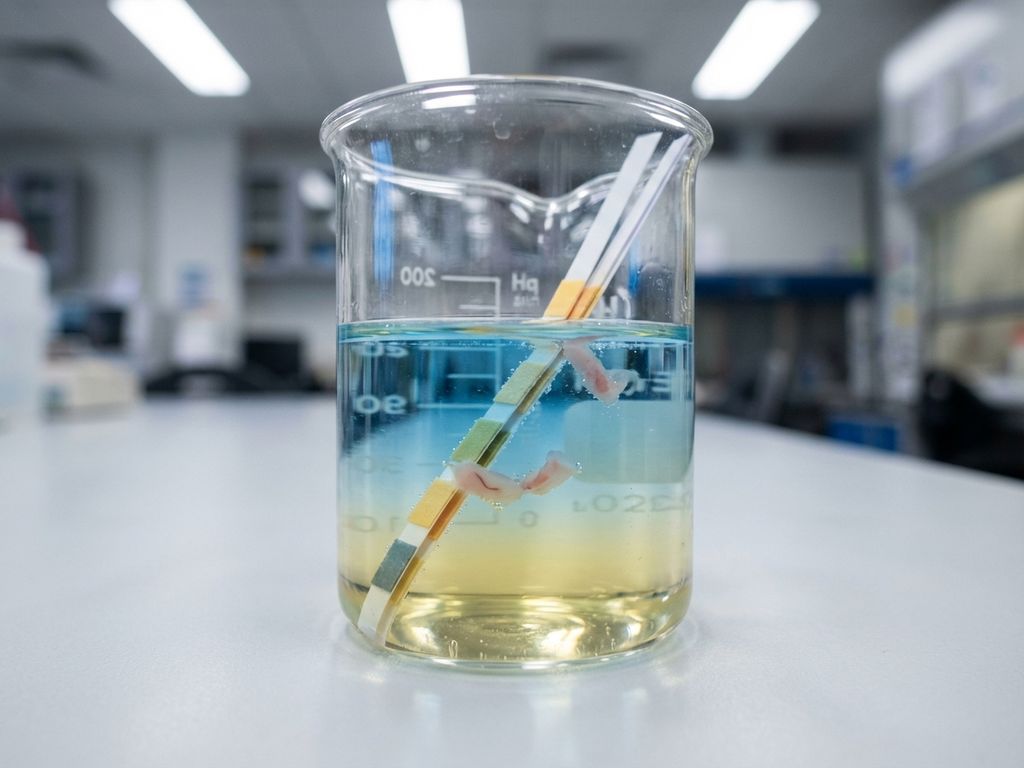
Gut models replicate intestinal pH conditions through sophisticated buffer systems and controlled environments that mirror the natural pH gradient from gastric acidity (pH 1.5–2.0) to colonic alkalinity (pH 6.5–7.5). These physiological pH conditions are essential for accurate preclinical research, as they directly influence bacterial growth, metabolite production, and drug absorption patterns that determine clinical outcomes.
What are intestinal pH conditions and why do they matter for gut research?
Intestinal pH conditions represent a dynamic gradient throughout the gastrointestinal tract, ranging from the highly acidic environment of the stomach (pH 1.5–2.0) to the more alkaline conditions of the colon (pH 6.5–7.5). The small intestine maintains intermediate pH levels between 6.0 and 7.4, creating distinct microenvironments that serve specific physiological functions.
These pH variations are fundamental to gut research because they directly control which bacterial species can survive and thrive in different intestinal regions. Acidic conditions in the stomach act as a natural barrier, eliminating many pathogens while allowing acid-resistant beneficial bacteria to pass through. The neutral to slightly alkaline colonic environment supports the complex fermentation processes that produce beneficial metabolites such as short-chain fatty acids.
pH levels also determine nutrient absorption efficiency and drug bioavailability. Many pharmaceutical compounds exhibit pH-dependent solubility, meaning their therapeutic effectiveness depends on encountering the correct pH environment. For regulatory submissions, demonstrating how products perform across these physiological pH ranges provides crucial mechanistic evidence that regulatory agencies increasingly demand.
How do ex vivo gut models simulate physiological pH gradients?
Ex vivo gut models simulate physiological pH gradients through carefully calibrated buffer systems that maintain region-specific pH levels throughout fermentation periods. These systems use phosphate-based buffers combined with bicarbonate solutions to create stable pH environments that mirror in vivo conditions without requiring continuous manual adjustment.
Advanced models employ dynamic pH control mechanisms that respond to microbial acid production during fermentation. As bacteria metabolize substrates and produce organic acids, automated systems detect pH changes and make precise adjustments to maintain physiological ranges. This approach ensures that the experimental conditions remain biologically relevant throughout the entire study period.
The most sophisticated platforms integrate multiple pH zones within a single system, allowing researchers to study how products behave as they transit through different intestinal regions. This segmented approach provides insights into regional effects that single-pH models cannot capture, offering more comprehensive data for product development and regulatory submissions.
What challenges exist in maintaining accurate pH conditions in gut models?
Maintaining accurate pH conditions in gut models presents significant technical challenges, primarily due to the dynamic nature of microbial fermentation processes. Bacterial metabolism continuously produces organic acids, creating downward pressure on pH levels that can quickly shift conditions outside physiological ranges if not properly controlled.
Buffer capacity limitations represent another major challenge. Traditional buffer systems may become overwhelmed during active fermentation, particularly when testing highly fermentable substrates that stimulate rapid bacterial growth. This can lead to pH drift that compromises experimental validity and reduces the clinical relevance of results.
Extended fermentation periods compound these difficulties, as maintaining stable pH becomes increasingly challenging over 24–48-hour study periods. Temperature fluctuations, evaporation, and cumulative metabolite production all contribute to pH instability. Additionally, different bacterial species respond differently to pH changes, meaning that pH variations can inadvertently select for certain microbial populations while suppressing others, introducing bias into experimental outcomes.
How is pH validation performed in gastrointestinal simulation models?
pH validation in gastrointestinal simulation models involves comprehensive comparison with clinical data from human studies, where intestinal pH measurements have been obtained through pH capsules and endoscopic procedures. Validation protocols require continuous monitoring systems that document pH stability throughout entire fermentation periods, not just at start and end points.
Correlation studies form the backbone of pH validation, comparing model pH profiles with published physiological data from healthy individuals and specific patient populations. These studies must demonstrate that the model maintains pH ranges within acceptable deviations from human intestinal conditions across different regions and time points.
Regulatory requirements for pH validation have become increasingly stringent, particularly for submissions to agencies such as EFSA and the FDA. Validation documentation must include detailed protocols, calibration procedures, and statistical analyses demonstrating pH accuracy and precision. This includes evidence that pH control systems respond appropriately to metabolic changes without introducing artificial conditions that could compromise data integrity.
How Cryptobiotix ensures accurate intestinal pH simulation
Cryptobiotix addresses pH replication challenges through our validated SIFR® technology platform, which maintains physiological pH conditions throughout ex vivo fermentation studies. Our approach combines automated pH monitoring with proprietary buffer systems designed specifically for gut microbiome research applications.
Our comprehensive pH management includes:
- Continuous monitoring systems that track pH every few minutes throughout 24–48-hour fermentation periods
- Validated buffer protocols that maintain stability without introducing artificial conditions that could bias results
- Quality control measures including parallel controls and calibration standards for every study batch
- Regulatory-grade documentation providing complete pH profiles suitable for inclusion in regulatory dossiers
This rigorous approach to pH control ensures that our ex vivo data accurately reflect the physiological conditions your products will encounter in clinical trials. For regulatory affairs professionals preparing marketing authorisation submissions, our validated pH simulation provides the mechanistic evidence needed to support your dossier with confidence.
Ready to generate robust, pH-validated data for your regulatory submission? Contact our team to discuss how SIFR® technology can strengthen your preclinical evidence package and support your path to market approval.
Frequently Asked Questions
How long does it take to set up and validate pH conditions for a new gut model study?
Setting up pH conditions typically takes 2-3 days, including buffer preparation, system calibration, and initial stability testing. Full validation with documentation suitable for regulatory submissions requires an additional 1-2 weeks to complete correlation studies and generate comprehensive pH profiles across multiple test runs.
What happens if pH drifts outside physiological ranges during an ongoing study?
If pH drift occurs, the study data may become compromised and potentially unusable for regulatory submissions. Advanced systems like SIFR® technology include real-time alerts and automated correction mechanisms to prevent this issue. When drift does occur, the affected time points must be documented and may require study repetition depending on the magnitude and duration of the deviation.
Can gut models simulate the rapid pH transitions that occur during food digestion?
Yes, sophisticated gut models can simulate dynamic pH changes that occur during digestion by programming pH controllers to follow specific transition profiles. This includes modeling the temporary pH increases after meals and the gradual return to baseline conditions, providing more realistic testing environments for products intended for consumption with food.
How do you account for individual variations in intestinal pH when designing studies?
Studies typically use pH ranges based on published clinical data from diverse populations rather than single fixed values. For example, colonic pH might be maintained between 6.5-7.2 rather than exactly 6.8. Some advanced protocols also include separate test conditions representing different patient populations, such as elderly individuals who may have altered pH profiles.
What are the most common mistakes researchers make when implementing pH control in gut models?
The most frequent mistakes include using inadequate buffer capacity for highly fermentable test materials, failing to account for temperature effects on pH measurements, and not validating pH probe accuracy throughout extended fermentation periods. Many researchers also underestimate the impact of sample withdrawal on pH stability in smaller volume systems.
How do regulatory agencies evaluate pH simulation data in preclinical submissions?
Regulatory agencies focus on three key areas: correlation with published human physiological data, consistency of pH maintenance throughout study periods, and proper documentation of any deviations or corrections made. They particularly scrutinize whether pH conditions could have influenced the study outcomes and whether the simulation accurately represents the target patient population.
Is it possible to study pH-sensitive probiotics or drugs using these gut model systems?
Yes, gut models with accurate pH control are particularly valuable for pH-sensitive products. The systems can demonstrate how products behave in different intestinal regions and help optimize formulations for targeted delivery. This is especially important for enteric-coated products or probiotics that need to survive gastric acid and activate in specific pH environments.