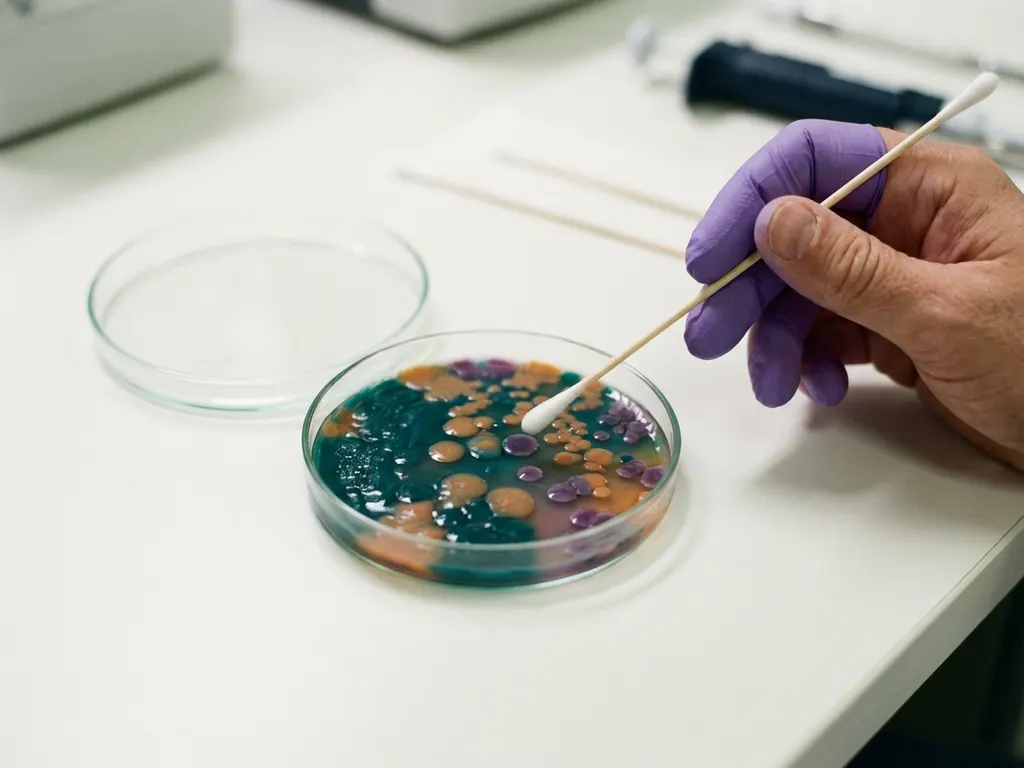
Gut microbiome testing analyses the trillions of bacteria, fungi, and other microorganisms living in your digestive system. It reveals how these microbes interact with nutrients, medications, and other substances, providing crucial insights for product development in the food, pharmaceutical, and biotechnology industries. Modern testing methods range from simple sample collection to sophisticated laboratory analyses that can predict real-world health outcomes.
What is gut microbiome testing and why does it matter?
Gut microbiome testing is the scientific analysis of microbial communities within the gastrointestinal tract to understand their composition, function, and response to various interventions. Unlike traditional laboratory tests that examine single variables, microbiome testing evaluates complex ecosystems containing hundreds of bacterial species and their metabolic products.
This testing matters because the gut microbiome influences digestion, immune function, and overall health through the production of short-chain fatty acids and other bioactive compounds. For product developers, understanding these microbial interactions is essential for creating effective functional foods, probiotics, and therapeutic interventions.
The key difference from conventional testing lies in its complexity. Traditional tests measure specific markers, whereas gut microbiome analysis examines dynamic interactions among multiple species, their metabolites, and host responses. This comprehensive approach provides insights into how products will perform in real-world conditions.
How do researchers collect and analyse gut microbiome samples?
Sample collection typically involves fresh faecal material, which serves as the closest accessible proxy for the actual gut microbiome. Researchers must process samples quickly after collection to maintain microbial viability and preserve the original community structure.
The analysis process begins with careful sample preservation using specialised techniques. Fresh material remains the gold standard, although proper cryopreservation methods can maintain sample integrity when immediate processing isn’t possible. The journey from biological sample to actionable data involves several critical steps.
Laboratory analysis combines DNA sequencing to identify microbial species with metabolite analysis to understand their functional activity. Advanced techniques measure the production of beneficial compounds such as butyrate while tracking changes in microbial composition. This dual approach reveals both who is present in the microbiome and what they are actually doing.
What’s the difference between in vitro, in vivo, and ex vivo gut testing?
In vitro testing uses artificial laboratory conditions with cultured microorganisms, while in vivo testing involves live animal or human subjects. Ex vivo testing bridges these approaches by using fresh, unmodified biological samples in controlled laboratory conditions that maintain natural microbial characteristics.
In vitro methods offer speed and cost-effectiveness but often suffer from significant bias due to artificial growth conditions. Many important microbial species cannot survive or behave naturally in standard laboratory media, leading to skewed results that do not reflect real gut environments.
In vivo animal studies face limitations because animal microbiomes differ substantially from human microbiomes in composition, digestive physiology, and metabolic processes. Differences in gut transit times, pH levels, and bile acid profiles often produce results that do not translate to humans.
Ex vivo approaches maintain the original donor microbiome composition throughout testing, preserving individual characteristics as if working with a living biopsy. This method captures the complexity of natural microbial communities while allowing controlled experimentation under biorelevant conditions.
How do scientists predict real-world outcomes from lab testing?
Predictive validation requires published studies demonstrating a direct correlation between laboratory model results and human clinical trial outcomes. The strongest evidence comes from side-by-side comparisons showing that lab findings accurately forecast clinical responses across multiple studies and populations.
Scientists use several validation approaches to ensure laboratory results translate to clinical outcomes. These include maintaining physiological relevance through appropriate pH levels, oxygen conditions, and nutrient availability that mirror actual gut environments. Proper validation also requires preserving the original microbial composition from sample collection through completion of the analysis.
Biomarker identification plays a crucial role in predictive accuracy. Researchers focus on immediate microbial responses that occur within 24–48 hours, as these rapid changes represent the foundational events that drive longer-term health outcomes. This approach recognises that microbiome modulation happens immediately, while physiological benefits accumulate progressively over time.
What challenges do researchers face in gut microbiome testing?
Interindividual variability represents the greatest challenge in gut microbiome research. Each person’s microbiome is as unique as a fingerprint, and these differences significantly contribute to variable responses to interventions and to clinical trial failures when products show inconsistent effects across populations.
Standardisation issues plague the field, with many testing approaches lacking proper controls or validated analytical methods. Traditional models often use only one to three donors, which cannot capture the population-level variability needed for reliable statistical analysis and responder identification.
The complexity of gut ecosystems creates additional obstacles. Researchers must account for cross-feeding interactions between species, metabolite production patterns, and host–microbiome communication pathways. Many legacy technologies oversimplify these interactions, leading to results that do not translate to real-world applications.
Advanced technologies are overcoming these limitations through high-throughput approaches that can evaluate multiple donors simultaneously. Modern systems require a minimum of six to eight different donors per cohort to generate reliable insights into responder versus non-responder dynamics, supporting the development of personalised nutrition strategies.
How Cryptobiotix advances gut microbiome testing
Cryptobiotix addresses the critical gap between preclinical data and clinical outcomes through our proprietary SIFR® technology, which provides validated, predictive insights into gut microbiome interactions. Our ex vivo approach maintains fresh, unmodified human microbiota throughout testing, ensuring results that accurately forecast clinical trial outcomes.
Our technology platform offers several key capabilities that advance the field:
- Clinical predictivity: Validated correlation with human trial outcomes for taxonomy, metabolomics, and tolerability markers
- High throughput: Process over 1,000 bioreactors weekly with automated systems for enhanced reproducibility
- Comprehensive analysis: Multi-omics pipeline examining microbial composition, metabolite production, and host interactions
- Population insights: Minimum of six to eight donors per study to identify responder patterns and interindividual variability
- Rapid results: Generate clinically predictive data within one to two days, versus the weeks required for traditional approaches
We serve multiple sectors, including food and nutrition, pharmaceuticals, and biotechnology, through our comprehensive research services. Our approach helps companies de-risk product development by providing the mechanistic evidence needed for regulatory submissions and clinical trial planning.
Ready to advance your gut microbiome research with validated, predictive insights? Contact our team to discuss how SIFR® technology can accelerate your product development timeline and improve clinical success rates.
Frequently Asked Questions
How long does gut microbiome testing typically take, and what factors affect the timeline?
Most gut microbiome testing takes 1-4 weeks depending on the methodology used. Ex vivo approaches like SIFR® technology can provide results within 1-2 days, while traditional sequencing methods may require 2-3 weeks for comprehensive analysis. Factors affecting timeline include sample processing requirements, the depth of analysis needed, and whether metabolite profiling is included alongside taxonomic identification.
What should companies consider when choosing between different gut microbiome testing approaches for product development?
Key considerations include clinical predictivity (whether results correlate with human outcomes), throughput capacity for testing multiple formulations, cost per sample, and turnaround time. Companies should prioritize platforms with published validation data showing correlation between lab results and clinical trial outcomes, especially if seeking regulatory approval or planning human studies.
How many donor samples are needed to get reliable results for product testing?
A minimum of 6-8 different donors per study cohort is recommended to capture population-level variability and identify responder versus non-responder patterns. Using fewer donors (1-3) often leads to unreliable results that don’t translate to diverse populations. This donor diversity is crucial for developing personalized nutrition strategies and predicting real-world product performance.
What are the most common mistakes companies make when interpreting gut microbiome test results?
Common mistakes include focusing solely on taxonomic changes without considering metabolite production, using artificially cultured samples that don’t reflect natural gut conditions, and drawing conclusions from single-donor studies. Companies also often overlook the importance of validated biomarkers and may misinterpret immediate microbial responses as long-term health outcomes.
How can gut microbiome testing results be used to support regulatory submissions?
Regulatory submissions benefit from mechanistic evidence showing how products interact with gut microbiota to produce health benefits. Testing should demonstrate dose-response relationships, identify specific biomarkers of efficacy, and provide safety data on microbial community changes. Results from validated platforms with published clinical correlations carry more weight with regulatory agencies than traditional in vitro data.