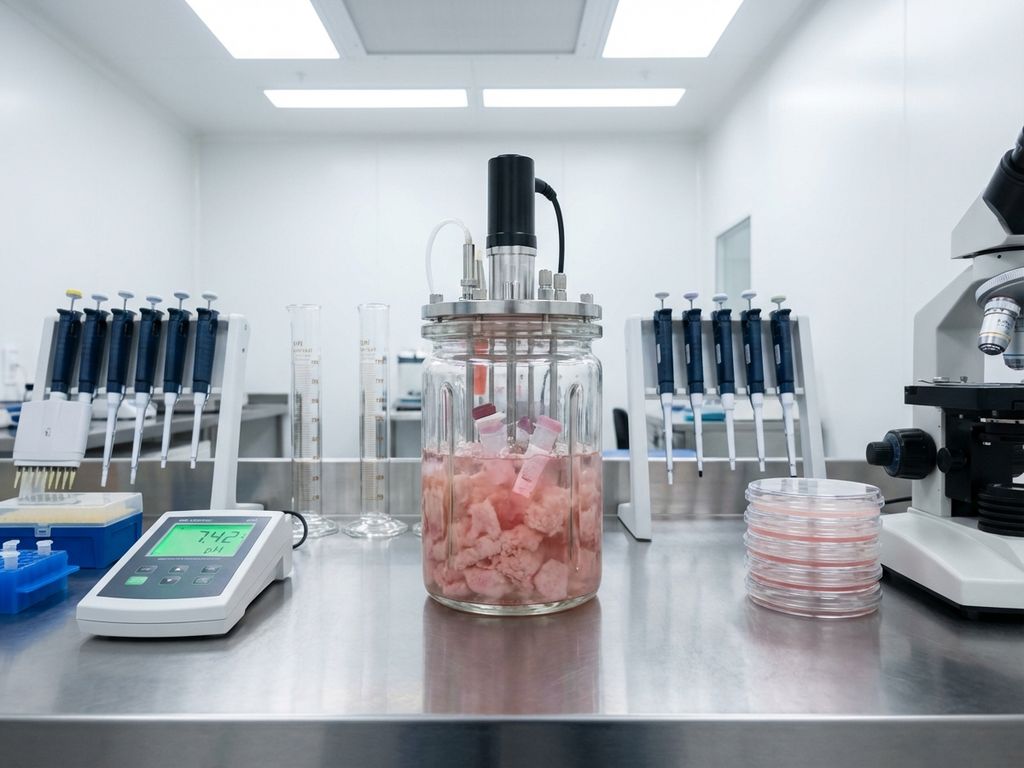
Gut model experiments require specialised laboratory equipment designed to simulate the complex environment of the human gastrointestinal tract. Essential equipment includes anaerobic chambers, fermentation vessels, pH control systems, and temperature regulation units that maintain physiologically relevant conditions. The specific equipment needs vary based on study objectives, throughput requirements, and regulatory compliance standards for your research applications.
What basic equipment do you need to start gut microbiome experiments?
Entry-level gut microbiome experiments require anaerobic chambers to maintain oxygen-free conditions that mirror the human colon, pH controllers to regulate acidity levels, temperature regulation systems set to 37°C, sampling apparatus for collecting fermentation products, and basic fermentation vessels to house the microbial communities during testing.
Anaerobic chambers represent the most critical component, as gut bacteria are predominantly anaerobic and die rapidly when exposed to oxygen. These chambers maintain nitrogen or carbon dioxide atmospheres while allowing researchers to manipulate samples safely. Temperature control systems must maintain precise 37°C conditions to replicate human body temperature, as even small variations can significantly alter microbial behaviour and fermentation outcomes.
pH monitoring and control equipment ensures that the fermentation environment remains within physiological ranges, typically between 5.5 and 7.0 depending on the gut region being simulated. Basic fermentation vessels can range from simple glass bottles to more sophisticated bioreactors with integrated sensors. Sampling apparatus includes sterile syringes, collection tubes, and preservation solutions for downstream analysis of microbial composition and metabolic products.
How do advanced gut simulation platforms differ from basic setups?
Advanced platforms offer automated control systems, multi-compartment designs simulating different gut regions, continuous monitoring capabilities, and high-throughput processing that can handle dozens of samples simultaneously, while basic setups typically manage only single batch fermentations with manual monitoring and limited automation.
Sophisticated continuous-flow platforms can simulate the entire gastrointestinal tract with separate compartments for stomach, small intestine, and colon conditions. These systems automatically adjust pH, temperature, and nutrient flow to replicate the dynamic environment of human digestion. Advanced automation reduces human error and enables precise control over experimental variables.
High-throughput capabilities allow researchers to test multiple conditions, donor samples, and product formulations simultaneously. Some advanced platforms can process over 1,000 samples per week, dramatically accelerating research timelines. Host–microbiome interaction simulation capabilities enable coupling with human cell models to investigate downstream effects on gut barrier integrity, immune responses, and metabolic markers such as GLP-1 production.
What validation requirements apply to gut model experiment equipment?
Equipment validation requires qualification protocols including installation qualification (IQ), operational qualification (OQ), and performance qualification (PQ), along with regular calibration schedules, comprehensive documentation for regulatory submissions, and adherence to Good Laboratory Practice (GLP) standards when generating data for product approvals.
Installation qualification verifies that equipment is installed correctly according to manufacturer specifications and safety requirements. Operational qualification confirms that all systems function within predetermined parameters under various operating conditions. Performance qualification demonstrates that equipment consistently produces reliable results using standardised test protocols.
Calibration standards must be traceable to national or international standards, with documented calibration certificates and regular recalibration schedules. For regulatory submissions to agencies such as EFSA or FDA, equipment documentation must demonstrate that the system maintains physiologically relevant conditions and produces reproducible results. Quality control measures include regular system suitability tests, maintenance logs, and deviation reporting procedures.
Research-grade studies may accept broader tolerances, while regulatory-grade studies require stricter validation protocols and more frequent calibration intervals. Documentation must include standard operating procedures, training records, and change control processes to ensure data integrity throughout the equipment lifecycle.
Which factors determine the right equipment choice for your research goals?
Equipment selection depends on study objectives (mechanistic research vs regulatory submissions), required sample throughput, available budget, regulatory compliance needs, technical expertise of laboratory staff, and scalability requirements for future research expansion and commercial applications.
Study objectives fundamentally drive equipment requirements. Mechanistic research exploring basic microbiome interactions may require only standard fermentation vessels with basic monitoring. However, regulatory submissions demand validated systems with comprehensive documentation and proven clinical predictivity. A minimum of 6–8 different donors per cohort is necessary for reliable statistical analysis, influencing throughput requirements.
Budget constraints often determine the balance between manual and automated systems. Basic setups may cost thousands of euros, while advanced automated platforms can require investments of hundreds of thousands. Technical expertise requirements vary significantly: simple batch systems need basic microbiology skills, whereas sophisticated platforms require specialised training in automation and data analysis.
Scalability considerations include future research expansion, potential commercial applications, and evolving regulatory requirements. Equipment that supports both screening studies and detailed mechanistic investigations provides greater long-term value. Regulatory agencies increasingly accept ex vivo data as supporting evidence, making validated platforms more valuable for product development.
How Cryptobiotix provides comprehensive gut simulation solutions
We address equipment challenges through our validated SIFR® technology platform, which provides turnkey solutions for regulatory-grade preclinical gut microbiome research. Our approach eliminates the need for extensive equipment investment while delivering clinically predictive data within days rather than weeks.
Our comprehensive solutions include:
- Validated ex vivo systems that maintain original donor microbiome composition throughout fermentation
- High-throughput automation processing over 1,000 samples weekly with enhanced reproducibility
- Regulatory-grade documentation supporting submissions to EFSA, FDA, and other agencies
- Multi-omics analysis providing mechanistic insights for patent protection and clinical trial de-risking
- Established protocols backed by scientific publications demonstrating clinical predictivity
Our SIFR® technology serves multiple applications across food, pharmaceutical, and biotechnology sectors, providing the mechanistic evidence increasingly demanded by regulatory agencies. Rather than investing in complex equipment and lengthy validation processes, partner with us to access proven gut simulation capabilities immediately. Contact our team to discuss how our validated platform can accelerate your product development while ensuring regulatory compliance.
Frequently Asked Questions
How long does it typically take to set up and validate a new gut model laboratory from scratch?
Setting up a basic gut model laboratory typically takes 3-6 months, including equipment procurement, installation, and staff training. However, full validation for regulatory-grade studies can extend this timeline to 12-18 months, as it requires comprehensive IQ/OQ/PQ protocols, calibration procedures, and method validation studies with multiple donor samples.
What are the most common technical failures in gut simulation equipment and how can they be prevented?
The most frequent failures include anaerobic chamber breaches leading to oxygen contamination, pH controller malfunctions causing acidification, and temperature fluctuations disrupting microbial activity. Prevention strategies include redundant monitoring systems, regular preventive maintenance schedules, backup equipment for critical components, and comprehensive staff training on troubleshooting procedures.
Can existing fermentation equipment from other applications be adapted for gut microbiome research?
While some fermentation equipment can be adapted, gut microbiome research has unique requirements including strict anaerobic conditions, precise pH control in the 5.5-7.0 range, and specialized sampling capabilities. Standard brewing or pharmaceutical fermentation equipment often lacks the necessary anaerobic capabilities and may require significant modifications and revalidation to meet gut simulation standards.
What ongoing operational costs should be budgeted for gut model equipment beyond the initial purchase?
Annual operational costs typically range from 15-25% of the initial equipment investment and include consumables (media, gases, sampling materials), maintenance contracts, calibration services, and utilities. High-throughput automated systems may have higher consumable costs but lower labor requirements, while manual systems require more technician time but have lower consumable expenses.
How do you ensure data quality and reproducibility when scaling up from pilot studies to larger experiments?
Scaling requires standardized protocols, validated equipment performance across all units, comprehensive staff training, and robust quality control measures including regular system suitability tests. Implementing statistical process control, maintaining detailed batch records, and conducting inter-laboratory comparisons help ensure consistent data quality as throughput increases.
What specific training requirements do laboratory staff need to operate gut simulation equipment effectively?
Staff require training in anaerobic microbiology techniques, aseptic sampling procedures, equipment operation and troubleshooting, data analysis software, and regulatory documentation requirements. Advanced platforms may require additional training in automation systems and multi-omics data interpretation. Ongoing competency assessments and refresher training are essential for maintaining data quality.
How do regulatory requirements differ between research-grade and commercial product development studies?
Commercial product development requires GLP compliance, more stringent validation protocols, comprehensive documentation packages, and often pre-submission meetings with regulatory agencies. Research-grade studies have more flexibility in protocols and documentation but may not be acceptable for regulatory submissions. The equipment validation requirements and associated costs are significantly higher for commercial applications.