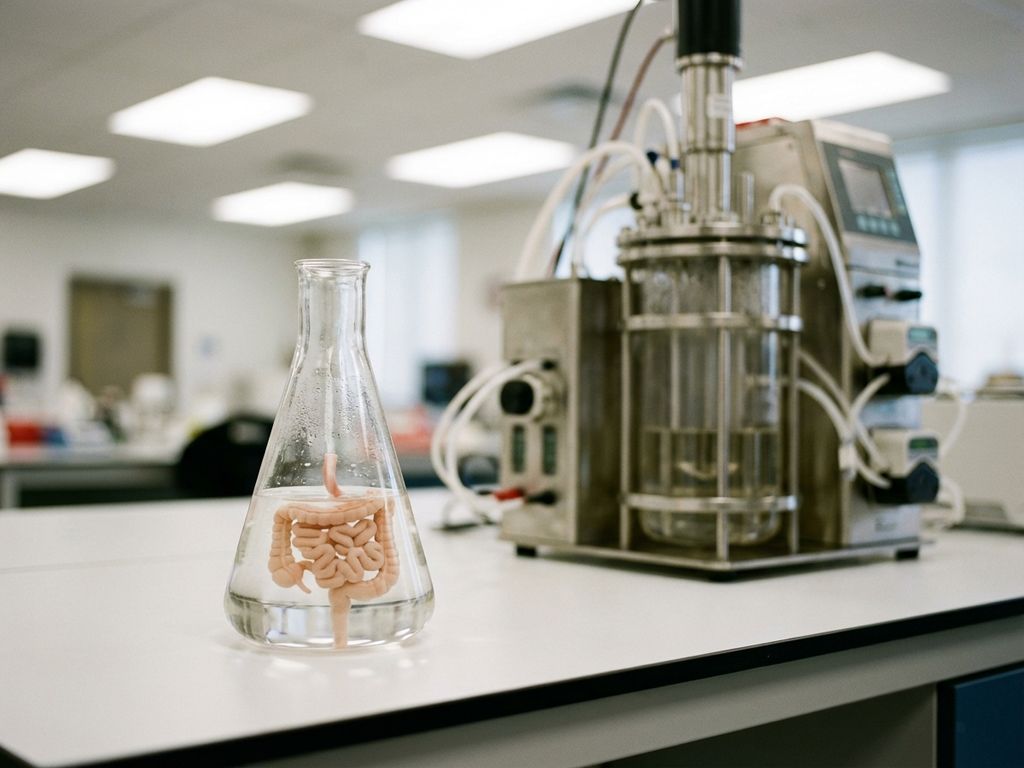
Static gut models operate as closed-system batch fermentations that simulate gut microbiome activity over short timeframes, typically 24–48 hours. Dynamic gut models use continuous-flow systems that can run for extended periods with real-time monitoring capabilities. The key difference lies in their approach to simulating physiological conditions: static models provide snapshot-style data from single exposures, while dynamic models attempt to replicate ongoing digestive processes over time.
What exactly are static gut models and how do they work?
Static gut models are batch fermentation systems that simulate gut microbiome activity in closed bioreactors over defined timeframes. These models use fresh faecal samples or preserved microbiome material as inoculum, combined with test substances under controlled conditions that mimic the human colon environment.
The methodology involves maintaining specific pH levels, temperature, and anaerobic conditions while the microbiome ferments the test substrate. These systems capture the immediate microbial response to interventions, typically within 24–48 hours, providing insights into how gut bacteria respond to specific treatments or ingredients.
Static models excel at investigating the primary causal events that occur when the microbiome encounters new substances. They are particularly valuable for screening multiple conditions simultaneously and generating mechanistic data about microbial composition changes, metabolite production, and functional responses. The closed-system approach allows for precise control of experimental conditions and reproducible results across different donor samples.
How do dynamic gut models differ from static approaches?
Dynamic gut models employ continuous-flow systems that simulate ongoing digestive processes through multi-compartment reactors with controlled transit times. These systems attempt to replicate the segmented nature of the gastrointestinal tract, from stomach through colon, with continuous substrate feeding and waste removal.
The continuous-flow design allows these models to run for extended periods, sometimes weeks, with real-time monitoring of pH, gas production, and metabolite concentrations. They incorporate features such as peristaltic pumps to simulate gut motility and sequential compartments to represent different intestinal regions.
However, dynamic models face significant challenges with microbial adaptation over extended timeframes. The continuous operation leads to pronounced selection bias, where the original donor microbiome composition shifts dramatically, creating a microbial community that differs substantially from the starting material. This adaptation process undermines the biological relevance of results, as the adapted microbiome no longer represents the donor’s original gut ecosystem.
Which gut model approach provides better clinical predictivity?
Clinical predictivity depends on a model’s ability to maintain the original donor microbiome composition and generate results that correlate with human clinical trial outcomes. The strongest evidence comes from published validation studies demonstrating direct correlation between model results and clinical data.
Static models that preserve the original microbial composition throughout fermentation show superior predictive accuracy. The key principle is that microbiome effects are immediate at the cellular level, whereas health outcomes are progressive. Capturing the initial causal microbial response within 24–48 hours provides the mechanistic foundation that drives longer-term clinical benefits.
Dynamic models, despite their apparent sophistication, often suffer from reduced predictive validity due to microbial adaptation. The extended fermentation periods required for these systems create in vitro bias, where the adapted microbiome responds differently from the way the original donor sample would in clinical settings. This adaptation process is a critical limitation that affects the translational value of results for regulatory submissions and clinical development.
What are the practical advantages and limitations of each model type?
Static models offer significant practical advantages, including higher throughput capabilities, reduced technical complexity, and faster turnaround times. They can process hundreds of conditions simultaneously, making them cost-effective for screening applications and dose–response studies. The simplified operation reduces manual errors and technical variability.
The primary limitation of static models is their shorter timeframe, which some researchers mistakenly view as insufficient for complex microbial interactions. However, validated static systems demonstrate that cross-feeding interactions and community modulation occur within hours, not days or weeks.
Dynamic models provide extended observation periods and multi-compartment simulation but suffer from substantial practical limitations. They require complex technical setup, continuous monitoring, and significant resource investment. The extended operation introduces multiple points of potential failure and increases costs substantially. Most critically, the microbial adaptation that occurs during long-term operation compromises the biological relevance of results, making them less suitable for regulatory applications where predictive accuracy is paramount.
How does Cryptobiotix advance dynamic gut microbiome simulation?
We address the limitations of traditional gut models through our proprietary SIFR® technology platform, which combines the throughput advantages of batch fermentation with validated clinical predictivity. Our approach captures immediate microbiome modulation while maintaining the original donor characteristics throughout the fermentation process.
Key advantages of our SIFR® technology include:
- Ex vivo biorelevance that preserves original microbiome composition
- High-throughput automation processing over 1,000 bioreactors weekly
- Quantitative sequencing providing absolute abundance data
- Multi-omics analysis including taxonomy, metabolomics, and host interactions
- Regulatory-grade data suitable for EFSA, FDA, and Health Canada submissions
Our validated approach bridges the gap between preclinical data and clinical outcomes, addressing the “Valley of Death” in microbiome research. We offer comprehensive research services across the food, pharmaceutical, and biotechnology sectors, with extensive scientific validation supporting our methodology.
For regulatory affairs managers preparing market authorisation dossiers, our technology provides the mechanistic evidence and dose–response data required for successful submissions. Contact our team to discuss how SIFR® can support your regulatory strategy and product development needs.
Frequently Asked Questions
How long does it typically take to get results from static gut model studies?
Static gut model studies typically provide results within 5-7 days from sample collection. The actual fermentation runs for 24-48 hours, followed by 2-3 days for sample processing and multi-omics analysis. This rapid turnaround makes static models ideal for time-sensitive research projects and iterative product development cycles.
Can gut models accurately predict individual responses, or do they only show population-level effects?
Gut models can capture individual donor variability by using samples from multiple donors with different baseline microbiome compositions. While single-donor studies show individual-specific responses, using 8-12 diverse donors provides population-representative data that correlates well with clinical trial outcomes across different demographic groups.
What types of test substances work best in gut microbiome models?
Gut models work effectively with prebiotics, probiotics, postbiotics, dietary fibers, polyphenols, and pharmaceutical compounds. Water-soluble substances generally show more consistent results, while lipophilic compounds may require specialized preparation. The key is ensuring the test substance reaches the microbiome in a bioavailable form that mimics in vivo conditions.
How do regulatory agencies view gut model data for product approvals?
Regulatory agencies like EFSA, FDA, and Health Canada increasingly accept validated gut model data as mechanistic evidence supporting health claims, particularly when correlated with clinical outcomes. Static models with preserved donor composition are preferred over adapted dynamic systems because they provide more clinically relevant data for regulatory submissions.
What are the most common mistakes researchers make when designing gut model studies?
Common mistakes include using too few donor samples (less than 6), selecting inappropriate control conditions, insufficient statistical power calculations, and focusing on extended timeframes that introduce adaptation bias. Researchers also often overlook the importance of standardized sample collection protocols and fail to validate their model against clinical data.
How do you choose between static and dynamic models for a specific research question?
Choose static models for mechanistic studies, dose-response relationships, high-throughput screening, and regulatory submissions requiring clinical predictivity. Dynamic models may be considered for research questions specifically focused on transit time effects or compartment-specific responses, but only when the research question justifies the reduced clinical relevance due to microbial adaptation.
What sample size and statistical considerations are important for gut model studies?
Effective gut model studies typically require 8-12 diverse donor samples to capture population variability, with technical replicates for each condition. Power analysis should account for inter-donor variability, and statistical approaches must handle the compositional nature of microbiome data using appropriate methods like PERMANOVA or DESeq2 for differential abundance analysis.