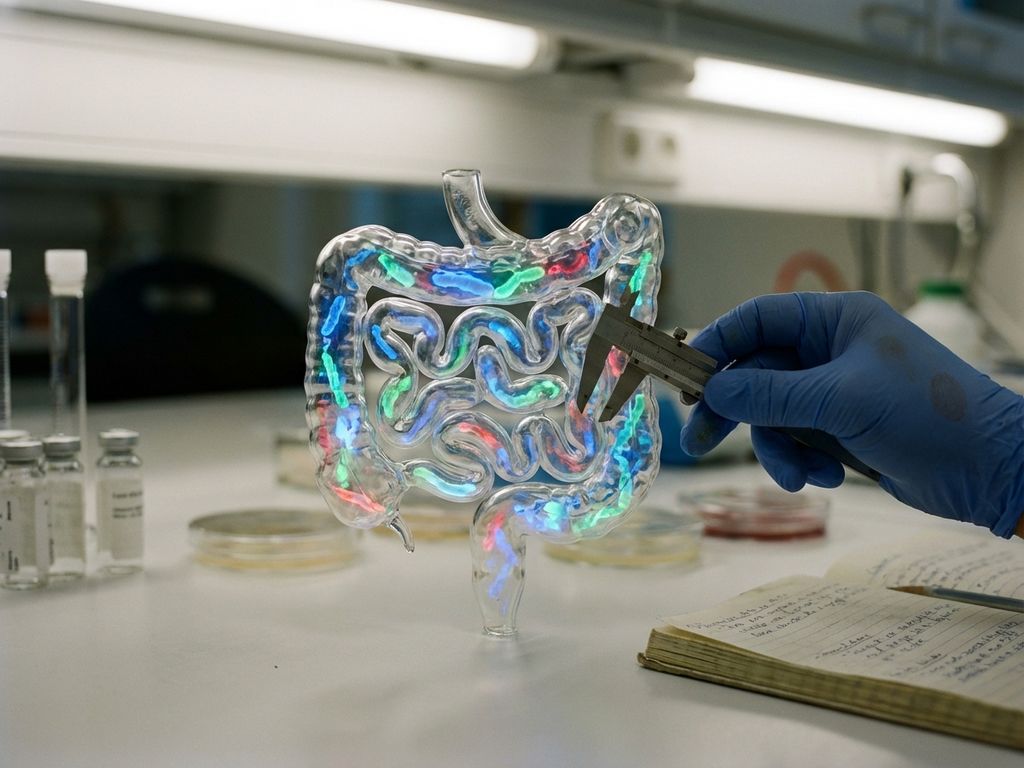
Gut models serve as sophisticated ex vivo simulation systems that replicate individual microbiome environments to predict personalised therapeutic responses. These advanced platforms capture the unique microbial fingerprints of different patients, enabling clinicians to test treatments before administration and move beyond one-size-fits-all approaches. This technology addresses critical questions about individual treatment variability, therapeutic prediction, and personalised medicine development.
What exactly are gut models and how do they work in personalised medicine?
Gut models are ex vivo simulation systems that recreate individual gut microbiome environments outside the body while maintaining their original composition and metabolic activity. These platforms capture inter-individual variations in microbiota composition, metabolic processes, and therapeutic responses, enabling researchers to develop personalised treatments rather than generic interventions.
These sophisticated systems work by preserving fresh, unmodified human microbiota samples and maintaining their physiological relevance throughout testing. The technology maintains appropriate pH levels, oxygen conditions, and nutrient availability that mirror real gut environments. This approach allows researchers to observe how each person’s unique microbial community responds to specific interventions within 24–48 hours.
The personalised medicine applications emerge from the ability to test multiple donors simultaneously. By including a minimum of 6–8 different donors per study, researchers can identify responder versus non-responder patterns and stratify patients into different treatment groups based on their microbiome characteristics. This capability supports the development of targeted therapeutic approaches that account for individual biological differences.
Why do individual gut microbiomes respond differently to the same treatment?
Each person’s gut microbiome is as unique as a fingerprint, with interpersonal differences driven by genetics, diet, lifestyle, age, and disease states. These factors create distinct microbial communities that process nutrients, metabolise drugs, and respond to interventions in fundamentally different ways, necessitating personalised therapeutic approaches.
The variability stems from several key factors. Genetic variations influence which bacterial species can colonise and thrive in an individual’s gut environment. Dietary patterns shape microbial composition over time, with different bacterial populations flourishing based on available nutrients. Age-related changes alter the microbiome’s diversity and stability, while disease states can create dysbiotic conditions that affect treatment responses.
This microbiome variability significantly impacts therapeutic outcomes. Different bacterial species metabolise pharmaceutical compounds at varying rates, potentially altering drug efficacy and safety profiles. Similarly, probiotic interventions may thrive in one person’s gut environment while failing to establish in another’s due to competitive dynamics with existing microbial populations. Understanding these individual differences is crucial for developing effective personalised treatments.
How can gut models predict which treatments will work for specific patients?
Gut simulation technology tests multiple interventions on individual microbiome samples to predict therapeutic responses before patient administration. These platforms analyse dose–response relationships, mechanisms of action, and biomarker production to enable clinicians to select optimal treatments with greater confidence.
The predictive capability comes from the technology’s ability to maintain the original donor microbiome composition throughout testing. By preserving the unique characteristics of each individual’s microbial community, these models can accurately simulate how that person would respond to specific treatments. The high-throughput nature allows simultaneous testing of multiple interventions across diverse patient populations.
Advanced data analysis enhances prediction accuracy through multi-omics approaches. These systems examine taxonomic changes, metabolomic profiles, and host–microbiome interactions to provide comprehensive insights. The technology can identify specific biomarkers associated with treatment success, such as short-chain fatty acid production or beneficial bacterial growth, enabling more precise therapeutic selection.
What types of personalised therapies can gut models help develop?
Gut models support the development of targeted probiotic selection, personalised nutrition recommendations, precision drug dosing, and individualised treatment protocols for gastrointestinal disorders, metabolic diseases, and immune conditions. These applications span multiple therapeutic areas where microbiome variability significantly impacts treatment outcomes.
Probiotic personalisation represents a key application area. Rather than using generic probiotic formulations, clinicians can identify which specific strains will establish successfully in an individual’s gut environment. The models can predict whether particular probiotics will survive the harsh gut conditions and compete effectively with existing microbial populations.
Precision nutrition approaches benefit significantly from gut model insights. These platforms can determine how individual microbiomes process different dietary components, enabling personalised recommendations for prebiotics, functional foods, and nutritional interventions. The technology helps identify which dietary modifications will promote beneficial bacterial growth in specific patients.
Pharmaceutical applications include optimising drug dosing based on individual microbiome-mediated metabolism. Some medications are processed by gut bacteria before absorption, and understanding these interactions enables more precise dosing strategies. Additionally, the models support the development of microbiome-based therapeutics tailored to specific patient populations.
How Cryptobiotix advances personalised medicine through gut microbiome simulation
Cryptobiotix’s SIFR technology enables personalised medicine by simulating diverse individual microbiomes with validated predictive accuracy for clinical outcomes. Our ex vivo platform captures inter-individual variability across patient populations, providing mechanistic insights that support targeted therapeutic development.
Our approach advances personalised medicine through several key capabilities:
- High-throughput testing across multiple donors simultaneously to identify responder patterns
- Preservation of original microbiome composition without adaptation bias
- Integration with human cell models to assess host–microbiome interactions
- Multi-omics analysis providing comprehensive mechanistic insights
- Validated correlation with clinical trial outcomes for reliable predictions
The SIFR technology supports applications across diverse patient populations, including paediatric conditions, elderly cohorts, and specific disease states. Our biobanking capabilities enable access to pre-characterised microbiome samples, accelerating personalised medicine research timelines.
We provide comprehensive reporting that includes donor stratification, mechanism-of-action analysis, and biomarker identification to support clinical decision-making. Our scientific publications demonstrate the technology’s predictive accuracy for personalised therapeutic outcomes.
Ready to explore how gut microbiome simulation can advance your personalised medicine initiatives? Contact our team to discuss your specific research requirements and discover how SIFR technology can support your therapeutic development goals.
Frequently Asked Questions
How long does it take to get results from gut model testing for a specific patient?
Gut model testing typically provides results within 24-48 hours for basic therapeutic response predictions. More comprehensive multi-omics analysis including metabolomic profiling and biomarker identification may take 3-5 days. This rapid turnaround enables clinicians to make informed treatment decisions much faster than traditional clinical trial approaches, which can take months or years.
What happens if my gut microbiome changes between testing and treatment?
While gut microbiomes can shift over time due to diet, medications, or health changes, the core microbial community typically remains stable for several weeks to months. For optimal accuracy, we recommend conducting gut model testing as close to treatment initiation as possible. If significant time passes or major lifestyle changes occur, retesting may be advisable to ensure predictions remain valid.
Can gut models predict side effects or adverse reactions to treatments?
Yes, gut models can identify potential adverse reactions by monitoring harmful metabolite production, pathogenic bacterial overgrowth, or disruption of beneficial microbial populations. The technology can detect early warning signs such as increased inflammation markers or toxic compound formation that might indicate treatment intolerance before clinical administration.
How accurate are gut model predictions compared to actual patient outcomes?
Published studies demonstrate strong correlation between gut model predictions and clinical outcomes, with accuracy rates typically ranging from 75-90% depending on the therapeutic area. The predictive accuracy is highest for microbiome-targeted interventions like probiotics and prebiotics, and continues to improve as the technology incorporates more sophisticated multi-omics analysis and larger validation datasets.
What sample is needed from patients to create their personalised gut model?
A fresh stool sample is required to create an accurate gut model representation. The sample should be collected within 24 hours of testing and transported under specific conditions to preserve microbial viability. Some applications may also benefit from additional samples collected over multiple days to capture microbiome variability and ensure representative modeling.
Are there any limitations to what conditions gut models can help treat?
Gut models are most effective for conditions where the microbiome plays a significant role, including gastrointestinal disorders, metabolic diseases, immune conditions, and some neurological conditions linked to the gut-brain axis. They are less applicable for conditions with minimal microbiome involvement, such as acute injuries or purely genetic disorders without microbial components.
How do I get started with implementing gut model testing in my clinical practice?
Begin by identifying patient populations that would benefit most from personalised microbiome interventions, such as those with treatment-resistant conditions or high inter-patient variability. Contact specialised providers like Cryptobiotix to discuss your specific needs, patient demographics, and therapeutic goals. They can help design appropriate testing protocols and provide training on interpreting results for clinical decision-making.