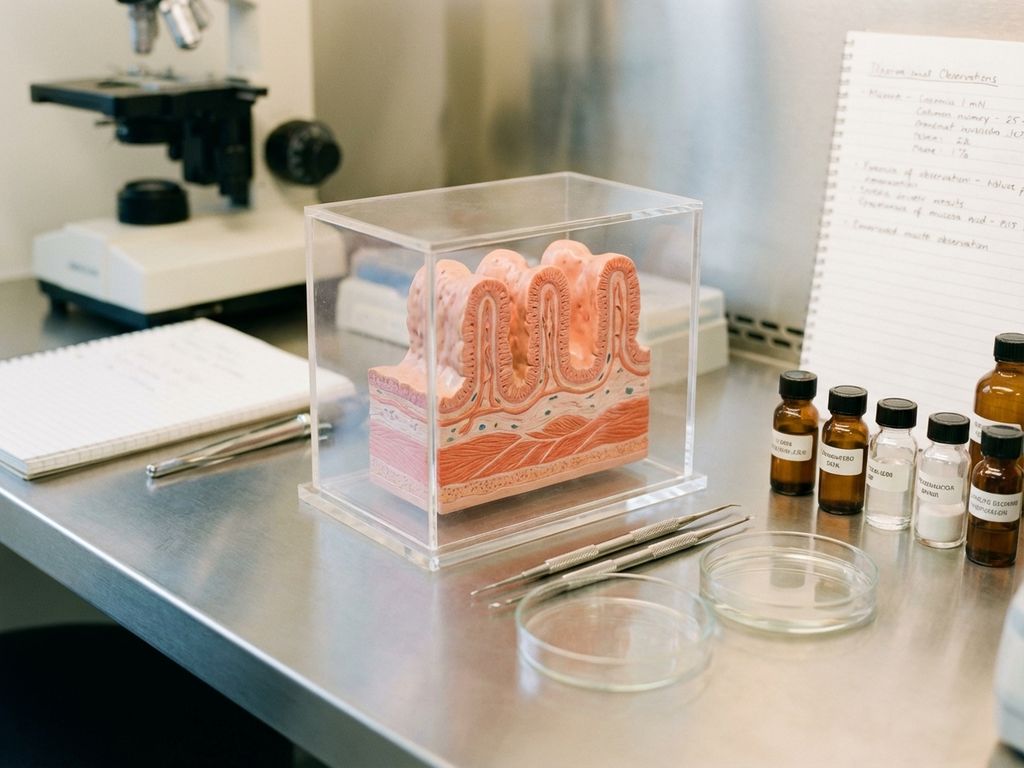
Gut models are sophisticated laboratory systems that simulate the human gastrointestinal environment to test how pharmaceutical compounds interact with gut bacteria and intestinal processes. These models have become essential tools for pharmaceutical companies developing drugs that target gut-related conditions, probiotic therapeutics, and medications that may affect digestive health. Understanding gut–drug interactions through reliable preclinical testing helps companies make informed decisions before expensive clinical trials.
What are gut models and why do pharmaceutical companies need them?
Gut models are ex vivo laboratory systems that replicate the complex microbial ecosystem of the human gastrointestinal tract. These models simulate the fermentative processes, pH conditions, and bacterial interactions that occur naturally in the colon, allowing researchers to study how pharmaceutical compounds affect gut microbiome composition and function.
Pharmaceutical companies need these models because traditional laboratory testing fails to capture the complexity of gut–drug interactions. Standard petri dish experiments use artificially controlled conditions with optimal pH and abundant nutrients, which bear little resemblance to the harsh, dynamic environment of the human gut. The human digestive system presents multiple challenges, including stomach acid (pH 1.5–2.0), bile salts, digestive enzymes, and intense competition from trillions of established gut bacteria.
This disconnect between simplified lab conditions and real-world gut environments creates what researchers call the “Valley of Death” – the poor translation of promising laboratory findings to actual clinical outcomes. Gut models bridge this gap by providing biorelevant testing conditions that better predict how pharmaceutical products will perform in human trials.
How do gut models help predict drug safety and efficacy?
Gut models provide predictive insights into drug metabolism, absorption, and potential side effects by simulating the complex interactions between pharmaceutical compounds and the gut microbiome. These systems can generate clinically relevant data within 24–48 hours, effectively capturing the immediate microbial responses that drive long-term therapeutic outcomes.
The predictive power comes from the models’ ability to maintain the original composition and function of human gut microbiota throughout testing. Unlike traditional methods that alter the microbial community during experimentation, validated gut models preserve the natural bacterial balance, allowing researchers to observe authentic responses to pharmaceutical interventions.
These models help predict safety by identifying potential adverse reactions before human testing. For example, they can measure gas production during fermentation, which serves as a reliable proxy for gastrointestinal tolerability. They also assess how drugs might disrupt beneficial bacterial populations or promote the growth of harmful microorganisms, providing crucial safety data for regulatory submissions.
What types of pharmaceutical research benefit most from gut modeling?
Novel drug development benefits significantly from gut modeling, particularly for compounds targeting gastrointestinal conditions or those with unknown effects on gut bacteria. These models help researchers understand mechanisms of action, optimize dosing strategies, and identify potential drug–microbiome interactions early in development.
Probiotic therapeutics represent another key application area. Gut models can evaluate probiotic survival in harsh digestive conditions, assess their ability to colonize existing microbial communities, and measure their therapeutic effects on gut barrier integrity and immune function. This is particularly valuable for live biotherapeutic products that must survive stomach acid and compete with established gut bacteria.
Targeted delivery systems also benefit from gut modeling, especially for drugs designed to release active compounds in specific regions of the digestive tract. These models can simulate different gut segments and assess whether delivery mechanisms function as intended under physiologically relevant conditions.
Personalized medicine approaches increasingly rely on gut modeling to understand how individual microbiome variations affect drug responses. By testing pharmaceutical compounds across diverse donor populations, researchers can identify responders and non-responders, supporting the development of precision medicine strategies.
Why are traditional animal models insufficient for gut microbiome research?
Animal models have substantial limitations for human gut microbiome research due to fundamental differences in taxonomic composition, digestive physiology, and metabolic processes. Animal microbiomes differ significantly from human microbiomes in gut transit times, pH levels, bile acid profiles, and bacterial species composition, leading to non-translatable results.
These physiological differences mean that pharmaceutical effects observed in animal studies often fail to predict human responses accurately. The harsh reality is that promising results in animal gut microbiome studies frequently do not translate to successful human clinical trials, contributing to high failure rates and wasted development resources.
Ethical considerations and regulatory trends also favor alternatives to animal testing. The 3R principle (Replacement, Reduction, Refinement) actively promotes non-animal approaches, while modern regulatory frameworks like the FDA Modernization Act 2.0 encourage the development and acceptance of alternative testing methods.
From a practical standpoint, animal studies are typically 60–80% more expensive than ex vivo alternatives and require longer timelines to complete. This makes them less attractive for early-stage pharmaceutical research, where rapid screening and decision-making are crucial for efficient product development.
How do regulatory agencies view gut model data for drug approval?
Regulatory agencies increasingly accept ex vivo gut model data as valid evidence for pharmaceutical submissions, particularly when the models demonstrate proven clinical predictivity through peer-reviewed validation studies. Agencies like the EFSA and FDA require robust mechanistic data explaining how pharmaceutical products work, not just that they work.
The key to regulatory acceptance lies in the model’s validation status. Agencies favor gut models that can demonstrate their ability to predict clinical outcomes through published scientific evidence. This includes validation for microbial composition changes, metabolite production that correlates with human plasma metabolites, and tolerability predictions that match clinical observations.
For novel therapeutics, regulatory agencies often request comprehensive mechanistic evidence as part of submission dossiers. Gut model data can provide crucial insights into modes of action, dose–response relationships, and potential safety concerns that support regulatory decision-making. This is particularly important for first-in-class therapeutics, where limited regulatory precedent exists.
The trend toward accepting alternative testing methods, supported by legislation like the FDA Modernization Act 2.0, creates opportunities for pharmaceutical companies to build regulatory dossiers using validated gut model data instead of relying solely on animal studies or clinical trials.
How Cryptobiotix advances pharmaceutical gut microbiome research
Cryptobiotix provides validated gut simulation technology specifically designed to meet pharmaceutical research needs through our proprietary SIFR® technology platform. This ex vivo system addresses the critical limitations of traditional preclinical models by maintaining authentic human gut microbiota composition and delivering clinically predictive results within days rather than weeks.
Our pharmaceutical research services include:
- Mechanistic evidence generation for regulatory dossiers and patent protection
- High-throughput screening capabilities processing over 1,000 conditions per week
- Multi-omics analysis providing taxonomy, metabolomics, and host–microbiome interaction data
- Validation across diverse human populations to assess interindividual variability
- Integration with human cell models to evaluate gut barrier integrity and immune responses
The SIFR® technology has been extensively validated through scientific publications demonstrating its ability to predict clinical outcomes for microbial composition, metabolite production, and tolerability. This proven predictivity helps pharmaceutical companies de-risk clinical development, accelerate research timelines, and build robust regulatory submissions.
Ready to advance your pharmaceutical gut microbiome research with validated, predictive technology? Contact our team to discuss how SIFR® can support your drug development program and regulatory submission needs.
Frequently Asked Questions
How long does it typically take to get results from gut model testing compared to traditional methods?
Gut model testing with validated systems like SIFR® technology can deliver comprehensive results within 24-48 hours, compared to weeks or months required for animal studies or clinical trials. This rapid turnaround enables pharmaceutical companies to make faster go/no-go decisions during early drug development, significantly accelerating research timelines while reducing costs.
What specific data outputs should pharmaceutical companies expect from gut model testing?
Comprehensive gut model testing provides multi-omics data including microbial taxonomy changes, metabolite profiles that correlate with human plasma levels, gas production measurements for tolerability assessment, and gut barrier integrity analysis. Advanced platforms also offer host-microbiome interaction data and can assess drug metabolism by specific bacterial strains, providing mechanistic insights crucial for regulatory submissions.
How do you validate that gut model results will translate to human clinical outcomes?
Validation relies on published peer-reviewed studies demonstrating correlation between gut model predictions and actual clinical trial results. Look for models with proven track records showing that microbial composition changes, metabolite production patterns, and tolerability predictions from the ex vivo system match what occurs in human subjects during clinical testing.
Can gut models test drug formulations and delivery systems, or just active compounds?
Advanced gut models can evaluate complete drug formulations including tablets, capsules, and targeted delivery systems. They simulate different pH conditions and transit times throughout the digestive tract, allowing researchers to assess whether controlled-release mechanisms, enteric coatings, or site-specific delivery systems function as intended under physiologically relevant conditions.
What are the main limitations or scenarios where gut models might not be suitable?
Gut models are less suitable for studying systemic drug effects that require intact organ systems, long-term chronic dosing effects beyond 48-72 hours, or complex drug-drug interactions involving hepatic metabolism. They also cannot fully replicate individual genetic variations in drug metabolism enzymes, though they can assess microbiome-mediated metabolism differences across diverse donor populations.
How do pharmaceutical companies typically integrate gut model data into their overall drug development strategy?
Most companies use gut model testing during early discovery and preclinical phases to screen compounds, optimize formulations, and generate mechanistic data for regulatory submissions. The results help prioritize candidates for expensive clinical trials, support patent applications with mechanism-of-action evidence, and provide safety data that can inform clinical trial design and patient selection strategies.
What regulatory documentation is needed when submitting gut model data to agencies like FDA or EMA?
Regulatory submissions should include detailed validation studies demonstrating the model's predictive accuracy, standardized operating procedures, quality control measures, and peer-reviewed publications supporting the technology. Documentation must clearly explain how the model maintains physiological relevance and provide statistical evidence correlating ex vivo results with clinical outcomes for similar therapeutic areas.