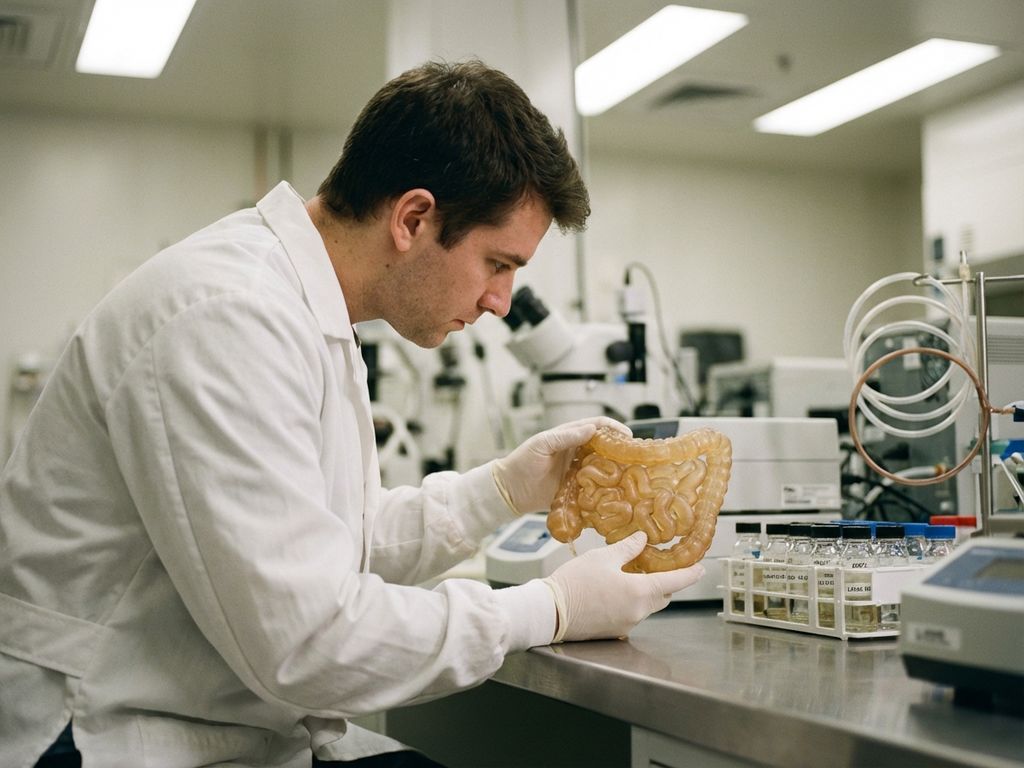
Gut model technology serves multiple industries by providing predictive insights into how products interact with the human gut microbiome. Pharmaceutical companies use these models for drug development and regulatory submissions, while food manufacturers rely on them for product validation and health claims. Animal health sectors use gut simulation for livestock nutrition and pet food development, making this technology essential across biotechnology, nutrition, and agricultural industries.
What is gut model technology and why do industries need it?
Gut model technology is an advanced ex vivo simulation system that replicates human gastrointestinal processes and gut microbiome interactions under laboratory conditions. These models use fresh human microbiota samples to predict how products will affect gut health, maintaining the original microbial composition throughout testing to ensure biologically relevant results.
Industries require predictive gut microbiome research because traditional testing methods often fail to translate to human outcomes. Animal models have fundamental limitations due to different gut physiology, transit times, and microbial compositions compared to humans. Meanwhile, conventional in vitro approaches suffer from significant bias and poor clinical predictivity.
Modern gut model technology addresses these challenges by providing validated, predictive insights within days rather than weeks. This capability is essential for product development teams that need mechanistic evidence for patent protection, regulatory submissions to agencies such as EFSA and FDA, and de-risking clinical trials before significant investment.
The technology enables companies to understand dose-response relationships, assess inter-individual variability, and generate comprehensive data packages that support informed decision-making throughout product development cycles.
Which pharmaceutical companies use gut model technology most?
Pharmaceutical and biotechnology companies leverage gut simulation technology primarily for developing therapeutics that target the gut-brain axis, inflammatory conditions, and metabolic disorders. These organizations require robust mechanistic data to support regulatory submissions, particularly for novel therapeutics where limited precedent exists.
Drug development teams use gut models to investigate how active pharmaceutical ingredients interact with human microbiota, affecting drug metabolism and efficacy. This is particularly valuable for developing personalized medicine approaches, where understanding individual microbiome variations can predict treatment responses.
The technology supports pharmaceutical regulatory affairs by generating comprehensive safety and mechanism-of-action data required for Investigational New Drug applications. Companies developing first-in-class therapeutics especially benefit from the ability to demonstrate mode-of-action evidence that satisfies regulatory reviewers’ increasing demands for mechanistic understanding.
Biotechnology firms working on microbiome-based therapeutics use these models to characterize product interactions with diverse patient populations, including specific disease states. This capability enables targeted therapeutic development and supports precision medicine initiatives across various therapeutic areas.
How does the food and nutrition industry benefit from gut microbiome research?
Food and nutrition companies use gut microbiome research to validate functional foods, prebiotics, probiotics, and nutritional ingredients before market launch. This technology enables manufacturers to demonstrate product efficacy through mechanistic evidence, supporting health claims and regulatory submissions for novel food applications.
Functional food developers benefit from understanding how specific ingredients affect gut microbiota composition and metabolite production. Research shows that different ingredients drive distinct microbial responses—for example, specific formulations can increase beneficial bacteria such as Bifidobacterium species while promoting short-chain fatty acid production.
The technology is particularly valuable for companies developing complex products containing multiple bioactive compounds. Testing reveals how ingredient combinations create synergistic effects, enabling formulators to optimize product compositions for maximum gut health benefits.
Nutrition companies also use gut models to assess product tolerability, predicting gastrointestinal side effects before clinical testing. This capability reduces development costs and timelines while ensuring consumer safety and satisfaction with final products.
What role does gut simulation play in animal health and agriculture?
Animal health and agricultural sectors employ gut simulation technology to optimize livestock nutrition, develop veterinary therapeutics, and create improved pet food formulations. These applications address species-specific gut microbiome characteristics across poultry, swine, cats, and dogs.
Livestock nutrition companies use gut models to evaluate feed additives and nutritional supplements that promote animal health and productivity. The technology enables assessment of how different feed formulations affect gut microbiota balance, nutrient absorption, and overall animal welfare.
Veterinary pharmaceutical companies leverage gut simulation to develop probiotics and therapeutic interventions targeting animal digestive health. This approach is particularly valuable for addressing antibiotic resistance concerns by identifying microbiome-based alternatives to traditional treatments.
Pet food manufacturers use the technology to create products that support companion animal digestive health. Testing different ingredient combinations helps formulators develop foods that promote beneficial gut bacteria while maintaining palatability and nutritional completeness for specific life stages and health conditions.
How does Cryptobiotix help industries with gut model technology?
Cryptobiotix provides comprehensive gut microbiome research services through our proprietary SIFR® technology, which delivers validated ex vivo gut simulation with proven clinical predictivity. Our platform addresses the critical gap between preclinical data and clinical outcomes, generating regulatory-grade insights within days rather than weeks.
We support industries across multiple sectors through:
- Validated predictive testing – Our technology maintains original donor microbiome composition throughout fermentation, ensuring biologically relevant results that correlate with clinical trial outcomes.
- High-throughput screening – Processing over 1,000 bioreactors weekly with automated systems that enhance reproducibility and enable comprehensive dose-response studies.
- Regulatory compliance support – Generating mechanistic evidence and comprehensive data packages that meet EFSA, FDA, and Health Canada submission requirements.
- Multi-omics analysis – Providing taxonomy, metabolomics, and host-microbiome interaction data with expert interpretation for actionable insights.
- Biobanking solutions – Offering pre-qualified, pre-characterized microbiome samples that eliminate sourcing delays and accelerate research timelines.
Our scientific publications demonstrate SIFR®’s ability to predict clinical outcomes across microbial composition, metabolite production, and tolerability parameters. Whether you are preparing regulatory dossiers, de-risking clinical trials, or building intellectual property portfolios, our technology provides the validated data you need to proceed with confidence.
Ready to accelerate your product development with predictive gut microbiome insights? Contact our team to discuss how SIFR® technology can support your specific research objectives and regulatory requirements.
Frequently Asked Questions
How long does it typically take to get results from gut model testing compared to traditional methods?
Gut model technology delivers validated results within days, typically 3-7 days depending on the study design, compared to traditional animal studies which can take weeks to months. This accelerated timeline allows companies to make faster decisions during product development while still obtaining clinically predictive data that correlates with human outcomes.
What types of samples or products can be tested using gut simulation technology?
Gut models can test a wide range of products including pharmaceutical compounds, probiotics, prebiotics, functional food ingredients, feed additives, nutritional supplements, and complex formulations. The technology accommodates both single compounds and multi-ingredient products, allowing researchers to evaluate everything from novel drug candidates to complete pet food formulations.
How do you ensure the gut model results will translate to real-world clinical outcomes?
Validated gut model technology like SIFR® maintains the original donor microbiome composition throughout testing and has demonstrated clinical predictivity through published studies. The models use fresh human microbiota samples and replicate physiological conditions, ensuring that microbial responses, metabolite production, and tolerability parameters correlate with actual clinical trial results.
What are the main cost advantages of using gut models before moving to clinical trials?
Gut models significantly reduce development costs by identifying promising formulations early and eliminating ineffective candidates before expensive clinical testing. Companies can optimize dosing, assess safety profiles, and generate mechanistic evidence for regulatory submissions at a fraction of clinical trial costs, while also reducing the risk of late-stage failures that can cost millions.
Can gut model technology account for individual differences in microbiome composition?
Yes, gut models can assess inter-individual variability by testing products against microbiome samples from different donor populations, including specific disease states, age groups, or geographic regions. This capability enables companies to understand how their products perform across diverse populations and supports personalized medicine approaches or targeted therapeutic development.
What regulatory agencies accept data from gut model studies for submissions?
Major regulatory agencies including the FDA, EFSA, and Health Canada accept mechanistic data from validated gut model studies as part of comprehensive regulatory dossiers. The technology generates the type of mechanistic evidence and safety data that regulatory reviewers increasingly require, particularly for novel therapeutics and functional foods with health claims.
How should companies prepare their samples and study design for optimal gut model testing?
Companies should work with gut model providers early in the planning phase to define clear research objectives, select appropriate dose ranges, and determine relevant endpoints. Proper sample preparation, stability data, and solubility information are crucial for accurate testing, while defining specific research questions helps optimize study design for regulatory or commercial objectives.