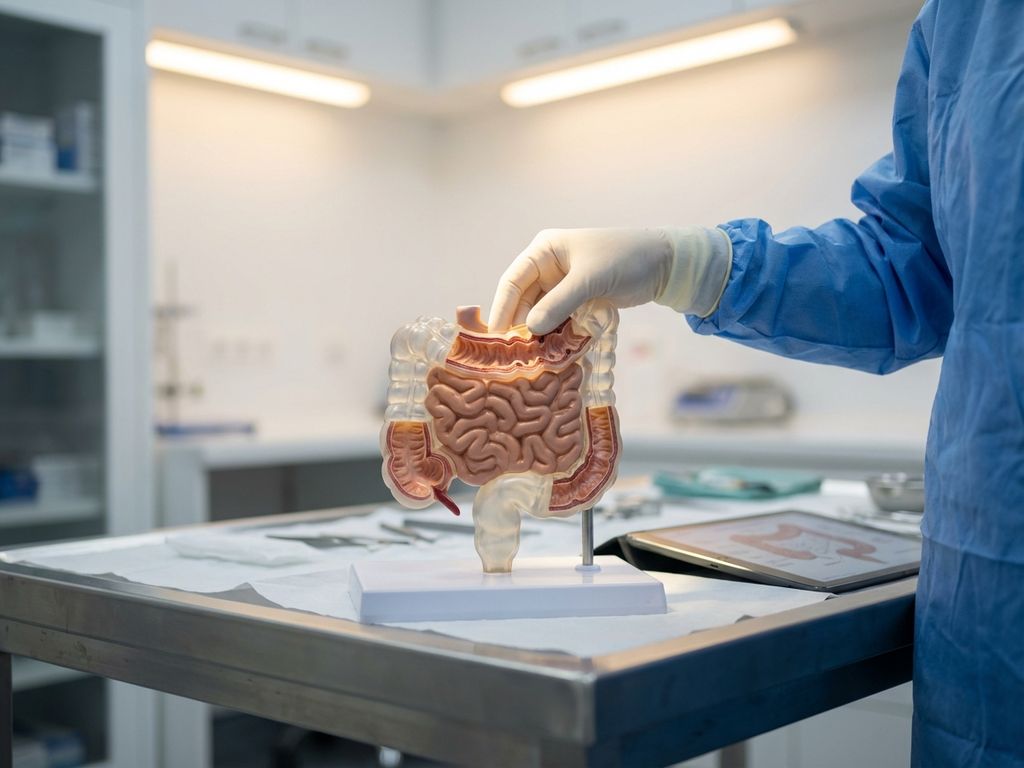
A gut model is a laboratory system that replicates the human gastrointestinal environment to study how products interact with the gut microbiota. These models simulate digestion, fermentation, and microbiome interactions under controlled conditions, providing researchers with predictive insights into how substances affect gut health. They are essential tools for developing functional foods, pharmaceuticals, and therapeutic products before moving to clinical trials.
What exactly is a gut model and how does it work?
A gut model is an ex vivo simulation system that recreates the complex environment of the human gastrointestinal tract under laboratory conditions. These models use fresh human gut microbiota samples to maintain the original microbial composition and individual characteristics, essentially treating the sample like a living biopsy.
The technology works by combining several key components. It begins with fresh faecal material, which serves as the gold standard for preclinical research, as it provides the closest accessible proxy to the actual gut microbiome. The system then replicates physiological conditions, including appropriate pH levels, oxygen conditions, and nutrient availability, to ensure biorelevance.
Modern gut models can simulate the entire gastrointestinal journey. They reproduce full-GI digestion starting from the mouth and stomach, progress through small-intestine absorption, and conclude with colonic fermentation, where most microbiome interactions occur. This comprehensive approach allows researchers to observe how products affect different stages of digestion and fermentation, typically producing observable results within 24–48 hours.
Why do researchers choose gut models over traditional testing methods?
Researchers increasingly favour gut models because they overcome significant limitations of traditional testing approaches while providing faster, more ethical, and cost-effective results. These models deliver clinically predictive data within days rather than the weeks or months required for animal studies or human trials.
Animal models have substantial limitations for human gut microbiome research. Animal microbiomes differ significantly from human microbiomes in taxonomic and functional composition, digestive physiology, gut transit times, pH levels, and bile acid profiles. These fundamental differences lead to non-translatable results, making animal testing scientifically questionable for gut microbiome applications.
The ethical landscape is also shifting rapidly. The 3R principle (Replacement, Reduction, Refinement) and modern regulatory frameworks like the FDA Modernisation Act 2.0 actively promote non-animal approaches. Ex vivo gut models are typically 60–80% less expensive than animal studies while providing more relevant human data.
Additionally, gut models offer superior reproducibility and standardisation. They can simulate diverse populations, including different age groups, disease states, and even animal microbiomes for veterinary applications, providing researchers with unprecedented flexibility in study design.
What industries rely on gut models for product development?
Pharmaceutical, food and nutrition, biotechnology, and animal health companies increasingly depend on gut models to accelerate product development and reduce clinical trial risks. These models serve as crucial bridges between early research and human testing across multiple sectors.
In pharmaceuticals, companies use gut models to understand how drugs interact with the gut microbiota, assess safety profiles, and generate mechanistic evidence for regulatory submissions. The models help predict drug metabolism, identify potential side effects, and optimise dosing strategies before expensive clinical trials.
Food and nutrition companies leverage gut models to develop functional foods, validate prebiotic and probiotic claims, and understand how ingredients affect digestive health. These applications include testing everything from complex food matrices like functional muffins to specific ingredients and supplements.
Biotechnology firms use gut models extensively for probiotic research, studying strain survival, colonisation potential, and therapeutic mechanisms. Animal health companies apply similar principles to develop products for pets and livestock, using adapted protocols for different species, including cats, dogs, poultry, and swine.
How do gut models help with regulatory approval processes?
Gut models generate mechanistic data and mode-of-action evidence that regulatory agencies like EFSA, FDA, and Health Canada increasingly demand for product approvals. They provide the scientific foundation that supports health claims and addresses specific regulatory questions with validated, predictive data.
Regulatory agencies no longer accept clinical trial data alone without underlying mechanistic evidence explaining how a product works. Gut models fill this critical gap by demonstrating the biological pathways through which products exert their effects, providing the mechanistic understanding that regulators require.
For novel food applications, pharmaceutical INDs, and health-claim submissions, gut models offer comprehensive safety and efficacy data. They can address specific regulatory concerns through targeted studies, helping companies respond effectively to deficiency letters or requests for additional information from regulatory agencies.
The predictive nature of validated gut models means the data they generate correlate directly with clinical outcomes, giving regulatory reviewers confidence in the submitted evidence. This correlation is particularly valuable for novel ingredients where limited regulatory precedent exists, helping build robust dossiers that withstand regulatory scrutiny.
What types of research questions can gut models answer?
Gut models can address dose–response relationships, safety assessments, efficacy testing, and mechanistic understanding of how products affect gut health and overall physiology. They excel at investigating microbiome interactions and inter-individual variability that traditional methods cannot capture effectively.
These models answer critical questions about changes in microbial composition, including which specific bacteria are stimulated or inhibited by different interventions. They can identify cross-feeding interactions between microbial species and predict how these changes translate to functional outcomes like short-chain fatty acid production.
Safety-assessment capabilities include evaluating tolerability through gas-production measurements, which serve as reliable proxies for digestive comfort. The models can also assess gut-barrier integrity and inflammatory responses when coupled with human cell culture systems, providing comprehensive safety profiles.
For efficacy research, gut models investigate metabolic pathways, identify bioactive compounds produced during fermentation, and predict plasma metabolites that may appear in human studies. They can stratify responses across different population groups, helping identify responders versus non-responders and enabling personalised nutrition approaches.
How Cryptobiotix helps with gut model research
Cryptobiotix provides comprehensive gut microbiome research services through our proprietary SIFR® technology platform, which delivers validated, predictive insights for product development and regulatory submissions. Our ex vivo approach maintains the original donor microbiome composition throughout testing, ensuring high biorelevance and clinical predictivity.
Our services include:
- High-throughput screening capabilities, processing over 1,000 bioreactors per week
- Comprehensive analysis combining quantitative sequencing, metabolomics, and host–microbiome interaction studies
- Regulatory-grade data generation with detailed reporting suitable for EFSA, FDA, and Health Canada submissions
- Biobanking services providing pre-qualified, characterised microbiome samples for immediate use
- Multi-omics insights supporting IP generation, clinical trial design, and B2B marketing strategies
We support companies across the entire product development journey, from early R&D screening to regulatory dossier preparation. Our scientific publications demonstrate proven clinical predictivity, giving you confidence in the data quality and regulatory acceptance. Contact our team to discuss how SIFR® technology can accelerate your product development and de-risk your clinical trials.
Frequently Asked Questions
How long does it typically take to get results from a gut model study?
Most gut model studies produce observable results within 24-48 hours, with complete analysis typically delivered within 2-4 weeks depending on the complexity of the study design. This rapid turnaround is significantly faster than animal studies (months) or clinical trials (6+ months), making gut models ideal for iterative product development and quick decision-making in R&D processes.
What sample size do I need for a statistically robust gut model study?
For most applications, 6-10 individual donor samples provide sufficient statistical power to detect meaningful changes in microbial composition and metabolite production. However, the exact sample size depends on your research objectives, expected effect size, and target population variability. Studies investigating inter-individual differences or population stratification may require 15-20 donors for robust conclusions.
Can gut models predict clinical trial outcomes accurately?
Validated gut models show strong correlation with clinical outcomes, particularly for microbiome-related endpoints like SCFA production, microbial composition changes, and metabolite profiles. While they cannot replace clinical trials entirely, they significantly reduce clinical trial risk by identifying optimal doses, predicting responder populations, and providing mechanistic evidence that supports observed clinical effects.
What's the difference between using fresh faecal samples versus frozen samples in gut models?
Fresh faecal samples maintain the original microbial viability and composition, providing the highest biorelevance and closest representation to the living gut environment. Frozen samples, while more convenient, can lose some microbial diversity and metabolic activity during the freeze-thaw process, potentially affecting study outcomes and reducing predictive accuracy.
How do I choose the right gut model approach for my specific product type?
The choice depends on your product's mechanism of action and target site. For probiotics and prebiotics, colonic fermentation models are typically sufficient. For pharmaceuticals or products affecting upper GI tract, full-GI simulation models are recommended. Complex food matrices may require specialized digestion protocols, while safety assessments often benefit from models that include gut barrier integrity measurements.
What are the most common mistakes companies make when designing gut model studies?
The most frequent mistakes include using inappropriate donor selection criteria that don't match the target population, testing unrealistic doses that don't reflect intended use, and focusing solely on microbial composition without measuring functional outcomes like metabolite production. Additionally, many companies underestimate the importance of proper controls and fail to include mechanistic endpoints that regulators require for approval submissions.
How should I prepare for transitioning from gut model data to clinical trials?
Use gut model data to optimize your clinical trial design by identifying the most effective dose ranges, selecting appropriate biomarkers that showed response in the model, and stratifying patient populations based on predicted responder profiles. Ensure your gut model study includes the same endpoints you plan to measure clinically, and document the mechanistic evidence thoroughly as this will be crucial for regulatory submissions and clinical trial protocols.